Walsall and Birmingham's highest rated dental practice - we guarantee the best quality dental care at great prices! Full range of dental care available - we can do everything under one roof!

A brighter smile can be a small change with a big effect – particularly if you find yourself hiding your teeth in photographs, covering your mouth when you laugh or avoiding close-up conversations. The best cosmetic dentistry options are not about creating one identical ‘perfect’ smile. They are about choosing treatment that suits your face, natural teeth, lifestyle and long-term oral health.
At Church Lane Dental, we plan cosmetic treatment around your individual goals. Some patients want a subtle refresh before a wedding or milestone birthday. Others need a complete smile transformation after years of worn, discoloured, missing or uneven teeth. With the right clinical assessment, both are possible under one roof.
Cosmetic dentistry should never simply cover up a dental problem. Bleeding gums, active decay, cracked teeth, bite issues and old failing fillings may need attention before whitening, bonding or veneers are considered. This protects your result and prevents a cosmetic concern becoming an urgent one later.
A detailed consultation gives your dentist the chance to examine your teeth, gums and bite, discuss the appearance you would like to achieve, and explain what is realistic. Photographs, scans and smile planning can be particularly useful for more involved cases. If you are nervous about dental treatment, say so from the start. A calm, supportive approach and appropriate pain-management options can make the process far more comfortable.
The best choice is rarely the most dramatic treatment. It is the one that improves the things you notice while preserving as much healthy tooth structure as possible.
When teeth are healthy but look yellow, dull or stained, professional whitening is often the most straightforward cosmetic starting point. It can lift staining caused by tea, coffee, red wine, smoking and natural ageing, giving your smile a cleaner, brighter appearance without changing the shape of your teeth.
Dentist-prescribed whitening is tailored to you and carried out with professional-strength products. That matters. Over-the-counter kits and unregulated online products can be unpredictable, may irritate the gums and cannot assess whether sensitivity, decay or gum disease needs treating first.
Whitening works on natural tooth enamel. It does not change the colour of crowns, veneers, bridges, composite fillings or dentures. If you have visible older dental work, your dentist may recommend whitening first, then replacing any mismatched restorations to achieve a more even shade.
Results vary between patients and need maintenance. Good brushing, hygiene appointments and reducing frequent staining drinks can help your new shade last longer. For many people, occasional top-ups are a sensible way to maintain brightness without committing to more extensive treatment.
Whitening suits patients whose main concern is colour rather than tooth position, shape or gaps. It can also be an excellent first step before deciding whether further cosmetic work is actually needed.
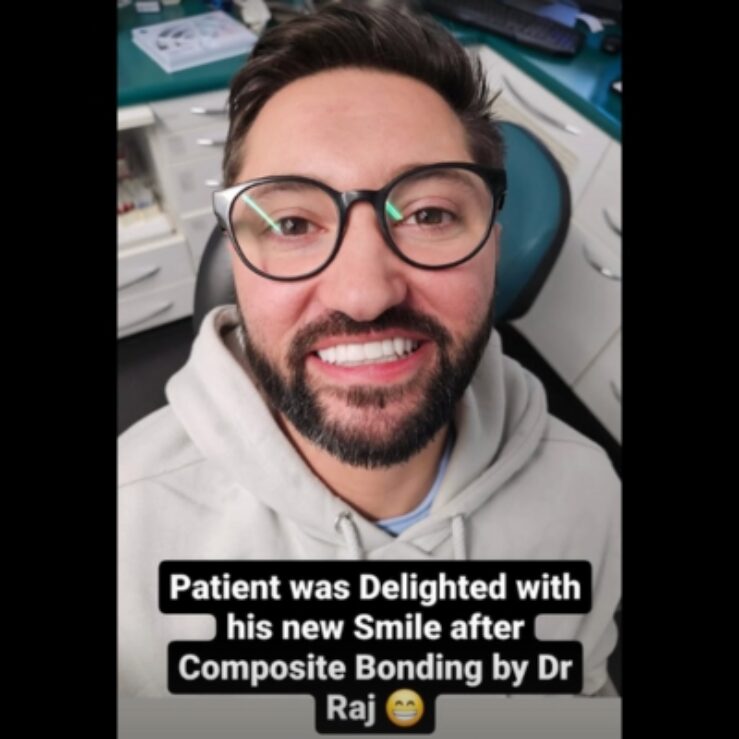
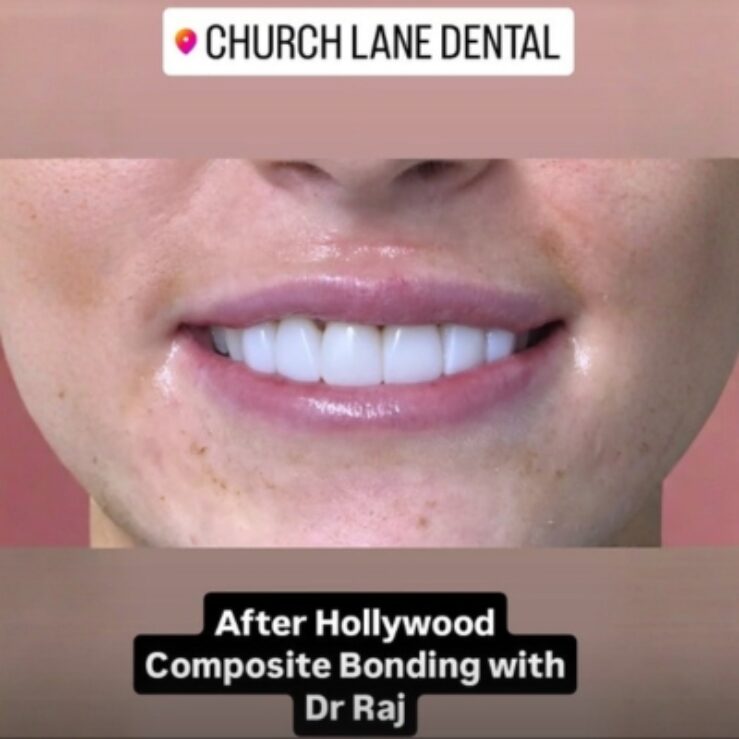
Composite bonding uses tooth-coloured resin to improve the shape, edge or appearance of a tooth. It can repair a small chip, soften a pointed canine, close minor gaps, disguise uneven edges and improve the appearance of small areas of wear. In the right case, it produces a natural-looking change with minimal alteration to the tooth.
The artistry matters. Composite has to be built in layers, shaped carefully and polished so it blends with the surrounding enamel. A rushed approach can look bulky or flat, which is why careful planning and shade matching are essential.
Bonding is generally less invasive than a veneer, but it is not maintenance-free. Resin can stain, chip or lose its polish over time, particularly if you bite your nails, chew pens, grind your teeth or frequently consume strongly coloured food and drink. A night guard may be recommended if grinding is an issue.
Composite bonding is particularly effective when combined with whitening. Whitening your natural teeth first allows the composite to be matched to your preferred shade, rather than leaving you with restorations that look darker once your own teeth brighten.
Veneers are thin, custom-made coverings fitted to the front surface of teeth. They can change colour, shape, size and minor alignment concerns at the same time, making them a popular option for patients who want a more defined smile transformation.
Porcelain veneers are valued for their translucency, strength and resistance to staining. They can be a strong choice where teeth are heavily discoloured, worn, irregularly shaped or affected by small gaps that bonding alone cannot predictably improve. Composite veneers may suit patients looking for a more conservative or more affordable route, although they usually require more regular maintenance than porcelain.
Veneers are not the automatic answer to every cosmetic concern. Depending on the case, some tooth preparation may be required, and the treatment is a long-term commitment. If crooked teeth can be moved into a better position with orthodontics, that may preserve more natural enamel than using veneers to disguise alignment.
A good cosmetic plan should show you the balance of options. You deserve to understand not only how a treatment will look now, but how it may need to be maintained in five or ten years.
Crowding, spacing, rotated teeth and an uneven bite can make a smile feel untidy even when the teeth are white and healthy. Clear aligners such as Invisalign offer a discreet way to move teeth gradually, while fixed braces remain highly effective for more complex movements.
Orthodontic treatment takes longer than whitening or bonding, but it can make a fundamental difference. Moving teeth into a better position can improve smile balance, make cleaning easier and create a more stable foundation for later bonding, whitening or veneers.
Not every case is suitable for aligners, and wearing them as directed is essential. Clear aligners need commitment: they should usually be worn for most of the day and night, removed only for eating, drinking anything other than water, and brushing. Retainers are then needed to protect the result. Teeth naturally try to move over time, so retention is not optional.
For patients weighing up braces versus veneers, the key question is whether you want to move your own teeth or mask their position. There is no one right answer, but preserving natural tooth structure is often a priority where orthodontics can achieve the desired improvement.
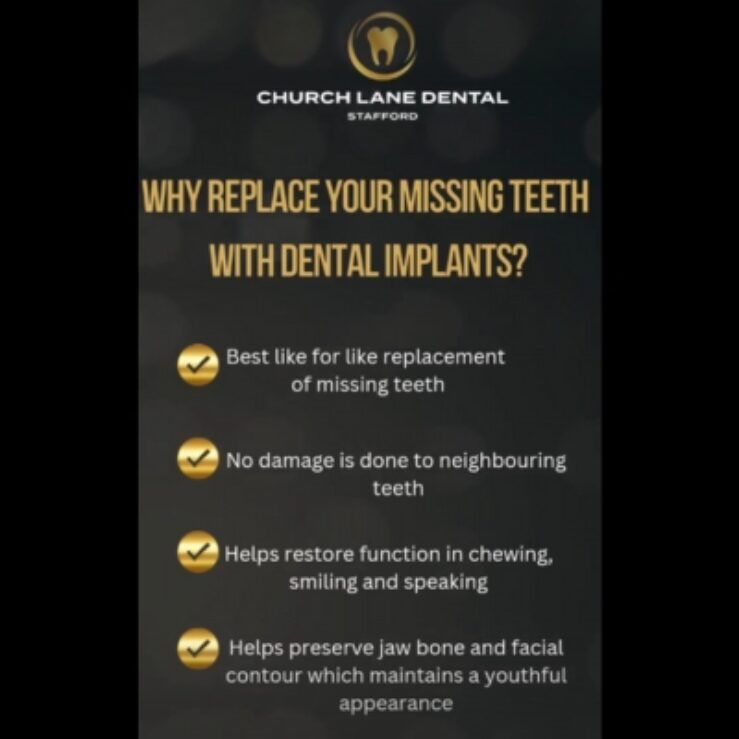
A cosmetic smile is not only about the front teeth. A missing tooth can affect confidence, chewing, speech and the way nearby teeth sit. Dental implants replace the root as well as the visible tooth, supporting a crown that is designed to blend with your natural smile. They offer fixed, long-term stability for suitable patients.
Crowns can restore teeth that are badly worn, broken, heavily filled or weakened after root canal treatment. Bridges can close a gap where an implant is not appropriate or preferred. Modern materials allow restorations to be designed for both strength and natural appearance, but the choice depends on the health of the surrounding teeth, gum condition, bone levels, bite forces and budget.
Implant treatment is a process, not a same-day cosmetic shortcut. Healing time and careful planning are part of achieving a predictable result. If you have a painful broken tooth or lost restoration, however, prompt assessment can protect the tooth and prevent the situation worsening.
Start with your concern rather than a treatment name. If your teeth are healthy but darker than you would like, whitening may be enough. If one or two teeth are chipped or uneven, bonding could be the most conservative solution. If alignment is the issue, braces or aligners may offer the best long-term route. Where teeth are missing or significantly compromised, implants, crowns or bridges may be needed before cosmetic refinements begin.
Your budget and timetable matter too. Whitening can often be completed relatively quickly, while orthodontics and implants require patience. Ask about the full plan, expected maintenance, alternatives, likely timescales and payment options. Interest-free finance for eligible treatment plans can help make larger, carefully planned treatment more manageable.
Also think about function. A beautiful result should feel comfortable when you bite, speak and eat. If you grind your teeth or have jaw discomfort, tell your dentist. Protecting new cosmetic work is part of protecting your investment.
A confident smile should still look like you – just healthier, brighter and more balanced. Book a cosmetic consultation to talk through your goals, see which treatments are clinically suitable and take the next step at a pace that feels right for you.
Back to blog
Quickly match your needs with the right dental treatment using our simple treatment finder.
Have questions or ready to book? Reach out, and our team will guide you every step of the way.


Follow us on Instagram for real patient transformations, behind the scenes updates and the latest offers. It’s the easiest way to stay connected and inspired on your smile journey.
EXPLORE