Walsall and Birmingham's highest rated dental practice - we guarantee the best quality dental care at great prices! Full range of dental care available - we can do everything under one roof!

A missing back tooth can be easy to ignore. It may not show when you smile, and you may still be able to eat on the other side. Yet molars do some of the hardest work in your mouth. They grind food, support your bite and help keep neighbouring teeth in position. The best options for missing molars are therefore about far more than filling a space – they are about protecting the way your whole mouth functions.
Whether a molar has been lost through decay, gum disease, an infection, trauma or a difficult extraction, the right replacement depends on your oral health, bone levels, bite, budget and personal priorities. Some patients want the closest possible match to a natural tooth. Others need a reliable solution quickly, or prefer a treatment that does not involve surgery. A careful clinical assessment makes that decision clearer.
When a molar is lost, the teeth beside the gap can gradually tip or drift into it. The opposing tooth may over-erupt because it no longer has anything to bite against. This can alter how your teeth meet, create food traps and make cleaning more difficult.
A missing molar can also put extra pressure on the remaining teeth. You may unconsciously chew on one side, which can make a cracked tooth, worn filling or existing jaw discomfort harder to manage. Over time, the jawbone in the area of the missing root can reduce in volume too.
That does not mean every lost back tooth must be replaced immediately. For example, some people have a well-balanced bite despite a missing wisdom tooth or a rear molar with no opposing tooth. But this should be a clinical decision, not an assumption. Your dentist can assess the gap, your chewing pattern and the likely effect of leaving it untreated.
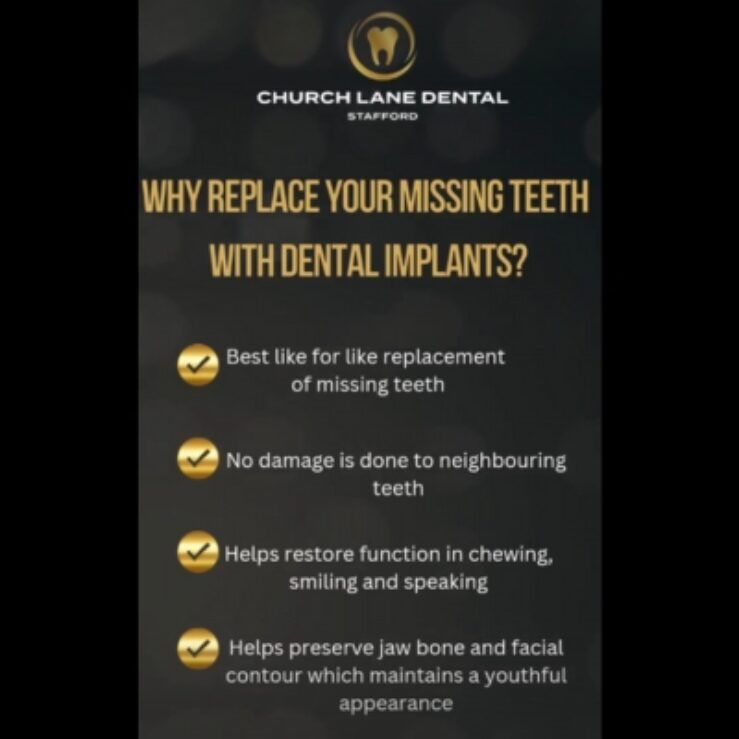
A dental implant is often the closest replacement for a natural molar. A small titanium implant is placed in the jawbone to act as an artificial root. Once it has integrated with the bone, it supports a custom-made crown designed to match the shape and colour of your surrounding teeth.
The main advantage is independence. An implant does not rely on the teeth next to the gap for support, and it can help maintain bone in the treated area. It feels fixed when eating and speaking, allowing patients to enjoy a wider range of foods with confidence.
Implants require healthy gums, sufficient bone and a commitment to excellent cleaning. Treatment also takes longer than a bridge or denture because healing is part of the process. In some cases, a bone graft is needed before implant placement, particularly if the tooth has been missing for a long time. The cost is usually higher upfront, but many patients value the long-term stability and natural feel.
A dental bridge replaces a missing tooth by attaching an artificial tooth to neighbouring teeth. For a conventional bridge, the teeth either side of the gap are carefully shaped to hold crowns, with the replacement molar suspended between them. This creates a fixed restoration that cannot be removed at home.
A bridge can be a strong choice where the neighbouring teeth already need crowns because of large fillings, fractures or previous treatment. It can also be appropriate for patients who do not want implant surgery or are not suitable for implants due to bone or health factors.
The trade-off is that supporting teeth must be prepared, even if they are otherwise healthy. Bridges need careful cleaning underneath the replacement tooth to prevent plaque build-up around the supporting teeth. A bridge may be completed more quickly than an implant, but it is not always the most conservative choice.
A partial denture is a removable appliance with replacement teeth attached to a gum-coloured base. It may be made from acrylic, metal or a combination of materials. Modern dentures can be designed to look natural and restore chewing ability, especially when several teeth are missing.
This option is usually less invasive and may be more affordable than fixed treatment. It can be particularly useful when multiple molars are missing, when a patient needs a temporary replacement during implant planning, or when health conditions make surgery unsuitable.
A removable denture does take an adjustment period. It must be taken out for cleaning, and some patients find it less secure than an implant or bridge, particularly when eating firmer foods. Good design, accurate fitting and follow-up adjustments make a significant difference to comfort.
In limited circumstances, monitoring the gap can be sensible. This is more likely where the missing tooth is at the very back of the mouth, there is no opposing tooth, the bite is stable and cleaning is straightforward. Regular examinations are still essential so any movement, gum problems or bite changes can be spotted early.
Leaving a gap should not be confused with postponing treatment because of pain, infection or fear. If the tooth was removed due to an abscess, severe decay or gum disease, the underlying cause needs managing first. Replacing a tooth without controlling active disease risks compromising the new restoration.
The right choice is rarely based on one factor alone. Your dentist will examine the health of your gums, the condition of neighbouring teeth, the space available and how your teeth bite together. X-rays or a 3D scan may be used to assess bone levels and important structures before implant treatment.
Your timescale matters too. If you have recently lost a molar, prompt advice is worthwhile. In some cases, placing an implant soon after extraction may be possible, although this depends on infection, bone quality and the condition of the surrounding tissues. In other situations, allowing the site to heal first is safer and more predictable.
Think honestly about daily care. An implant crown still needs brushing and cleaning between the teeth. A bridge requires special cleaning beneath it. A denture needs to be removed and cleaned every day. The best treatment is one that fits your mouth and one you can maintain consistently.
Cost is also a legitimate consideration. A personalised treatment plan should explain what is involved, the expected stages, alternatives and likely maintenance needs. For larger treatment plans, finance options may help spread the cost, subject to eligibility. Choosing solely on initial price can be false economy if the result does not suit your bite or expectations.
After an extraction, the priority is healing comfortably and preventing infection. Follow your dentist’s aftercare advice, avoid disturbing the blood clot and contact the practice if bleeding does not settle, swelling worsens, or pain becomes severe after initially improving.
If you are considering an implant, ask about the replacement plan before or soon after the extraction. Preserving bone where appropriate can make future treatment more straightforward. A temporary denture or temporary bridge may be considered where appearance or function is a concern, although back teeth often need a different approach from front teeth.
Do not wait until neighbouring teeth have moved before seeking advice. A planned consultation can show you whether treatment is urgent, advisable later or unnecessary for your individual bite.
A tooth that is loose, broken below the gumline, severely painful or associated with facial swelling needs urgent assessment. Sometimes a molar can be saved with root canal treatment and a crown rather than extracted. Retaining a natural tooth is often preferable where the long-term outlook is good.
If extraction is necessary, the discussion should not end there. A practice able to provide emergency care, restorative dentistry, implants and dentures under one roof can move from immediate relief to a considered replacement plan without fragmented care. Church Lane Dental offers round-the-clock emergency appointments for patients who need prompt help, including evenings and weekends.
A missing molar is not a one-size-fits-all problem. An implant may offer the strongest long-term option, a bridge may suit an already compromised neighbouring tooth, and a denture may provide a sensible, effective solution for a wider gap. Book an assessment while the choices are still open, so your treatment can protect both your comfort now and your bite for the years ahead.
Back to blog
Quickly match your needs with the right dental treatment using our simple treatment finder.
Have questions or ready to book? Reach out, and our team will guide you every step of the way.


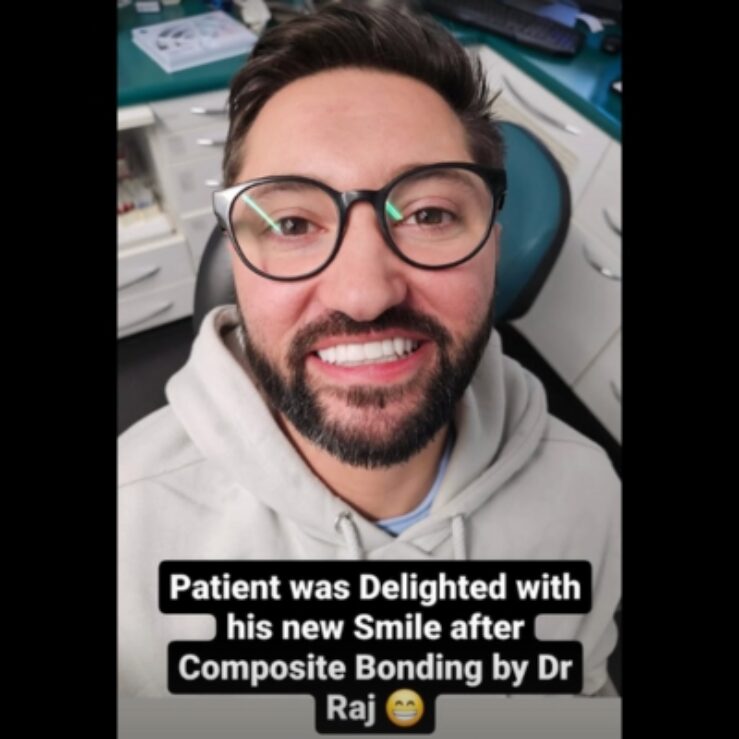
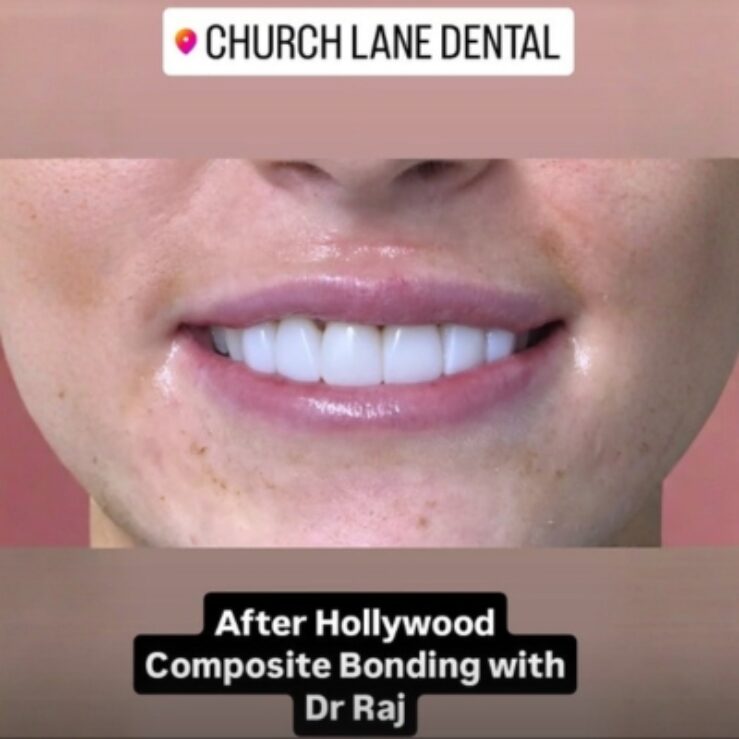
Follow us on Instagram for real patient transformations, behind the scenes updates and the latest offers. It’s the easiest way to stay connected and inspired on your smile journey.
EXPLORE