Walsall and Birmingham's highest rated dental practice - we guarantee the best quality dental care at great prices! Full range of dental care available - we can do everything under one roof!

A tooth that looks shorter, flatter or more translucent than it used to be is not simply a cosmetic concern. Tooth wear can alter your bite, make eating uncomfortable and leave the inner tooth more vulnerable to sensitivity, chips and cracks. The best treatments for worn teeth depend on how much healthy structure remains, why the wear happened and what you want your smile to look and feel like afterwards.
A careful dental assessment comes first. Rebuilding worn teeth without addressing grinding, acid erosion or an uneven bite can mean the new work wears prematurely too. The aim is to protect your natural teeth wherever possible, restore comfortable function and create a result that looks natural in your face.
Tooth wear tends to develop gradually, so many people only notice it in photographs or when their front teeth begin to look uneven. There are three common causes, and they often overlap.
Attrition is wear from tooth-on-tooth contact, usually linked to clenching or grinding. This may happen during sleep, under stress or because the bite does not meet evenly. Erosion is chemical wear caused by acids, including frequent fizzy drinks, citrus, wine, reflux and some medical conditions. Abrasion is wear from external friction, such as brushing too hard with an abrasive toothpaste.
A broken filling, missing tooth or tooth movement can also place excess pressure on certain teeth. That is why a proper examination should look beyond the visible damage. Your dentist may assess your bite, discuss lifestyle and dietary habits, check for signs of grinding and take digital scans or photographs to plan treatment accurately.
There is no single treatment that suits every worn smile. In mild cases, protecting the teeth and making small additions may be enough. More extensive wear can require a planned reconstruction across several teeth. The right choice balances strength, appearance, longevity and how much natural tooth needs to be prepared.
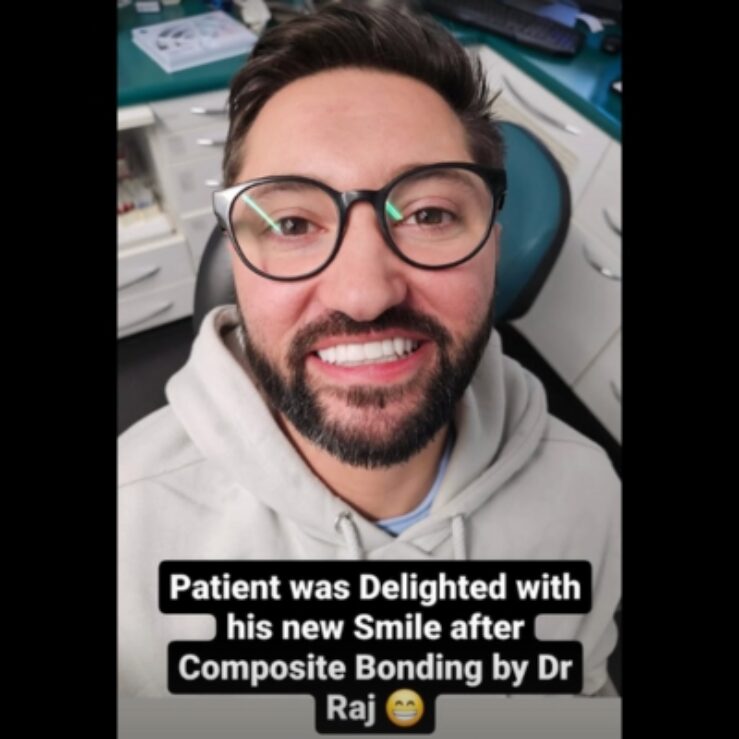
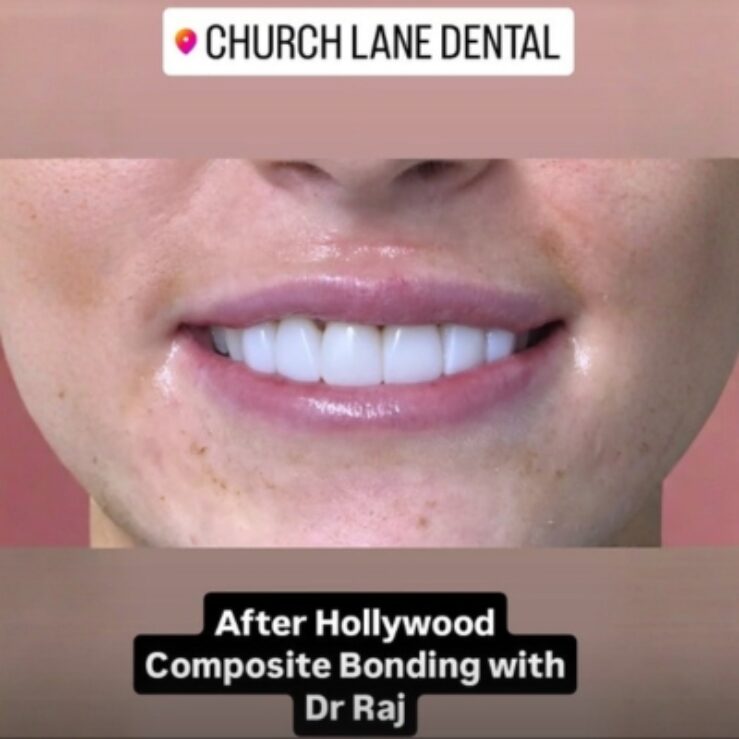
Composite bonding uses tooth-coloured resin to rebuild chipped edges, restore length and improve the shape of worn teeth. It is a conservative option because little or no healthy tooth structure usually needs to be removed. It can be particularly effective for front teeth that have become short, uneven or slightly translucent.
Bonding is often completed in a single appointment, making it an appealing route for patients who want a visible improvement without a major procedure. The shade and shape can be tailored to your smile, and minor repairs are generally straightforward if the composite chips.
The trade-off is that composite is not as hard-wearing as ceramic. If you grind heavily, bite on pens or ice, or have a very acidic diet, it may stain, lose its polish or need maintenance over time. A protective night guard can make a significant difference to its lifespan.
Veneers are finely crafted porcelain shells bonded to the front surface of teeth. They can restore a more balanced appearance where wear is mainly affecting the visible front teeth, while also improving colour, shape and symmetry.
Porcelain resists staining well and can produce a highly natural, light-reflective finish. For someone with worn edges alongside discolouration or naturally small teeth, veneers may offer a more comprehensive cosmetic change than bonding alone.
However, veneers are not automatically the best answer for every worn tooth. They may require some preparation of the tooth, and a heavy grinder may need bite treatment and a night guard first. If the teeth are severely weakened or the biting surfaces have collapsed, crowns or a wider restorative plan may provide better protection.
A dental crown covers the whole visible portion of a tooth, restoring its strength, shape and chewing surface. Crowns are commonly considered where wear is severe, a tooth has cracked, an old large filling has failed or there is too little remaining enamel for bonding or a veneer to be reliable.
Modern ceramic crowns can look remarkably lifelike. They are designed around your bite so that chewing feels stable and the tooth is protected from further fracture. Crowns can also be part of a carefully staged plan to restore several worn back teeth and rebuild lost bite height.
Because a crown involves more tooth preparation than composite bonding, it should be chosen when the tooth genuinely needs that level of coverage. A clinician should always consider the least invasive treatment likely to give a predictable, long-term result.
An onlay or overlay is a custom restoration that replaces and protects the damaged chewing surface without necessarily covering the entire tooth. It can be an excellent middle ground when a back tooth is worn or cracked but enough healthy sidewall remains.
These restorations are often made from strong tooth-coloured ceramic and bonded precisely in place. They preserve more natural tooth than a full crown in suitable cases, while offering far greater protection than a small filling. For worn molars, this approach can restore comfortable chewing and reduce the risk of a more serious break.
When multiple teeth have become short, flat or sensitive, isolated repairs may not be enough. You may need a full-mouth rehabilitation, which is simply a planned way of restoring several teeth so that the bite works together again.
This can involve a combination of composite bonding, onlays, crowns and sometimes orthodontic treatment to create the space needed for restorations. The plan is usually phased and carefully tested, often with digital planning or temporary trial restorations. That allows you and your dentist to assess speech, comfort, appearance and bite position before the final work is completed.
A full reconstruction is more involved and carries a higher investment than treating one tooth. Yet for people whose tooth wear is affecting confidence, eating or jaw comfort, it can be genuinely life-changing. The value lies in the planning as much as the finished restorations.
Restoring worn teeth without treating the cause is like repairing a tyre while ignoring the sharp object in the road. If you clench or grind, a custom-made night guard can protect the teeth and restorations while you sleep. It is made to fit your bite accurately, unlike a generic guard bought over the counter.
If acid erosion is contributing, your dentist can help identify practical changes. Reducing the frequency of acidic drinks matters more than trying to remove them entirely for most people. Keep acidic drinks to mealtimes where possible, use a straw for suitable cold drinks, rinse with water afterwards and wait around an hour before brushing. Brushing immediately after acid exposure can wear softened enamel further.
Reflux symptoms, frequent vomiting or certain medications can also affect teeth. Mention these during your appointment. Your dental team can protect the oral effects while encouraging appropriate medical support where needed.
A good consultation should leave you clear about both the problem and the route forward. Your dentist will examine the teeth and gums, check for cracks and sensitivity, assess how your jaws meet and ask about habits such as grinding, snacking and acidic drinks. X-rays or digital scans may be used where clinically necessary.
You should then be given realistic choices. For example, composite bonding may offer the most conservative starting point, while ceramic restorations may be better for strength and stain resistance. If treatment is extensive, ask to see a staged plan with costs, timing, maintenance expectations and options for protecting your new smile.
At Church Lane Dental, worn teeth can be assessed alongside restorative, cosmetic and bite-protection treatment under one roof. For nervous patients or anyone concerned about discomfort, explain this when booking so your care can be planned around you.
Tooth wear is often manageable when addressed early. If a tooth suddenly chips, becomes painful when biting, feels sharply sensitive or an old restoration breaks, seek an urgent dental assessment. Quick care can sometimes prevent a small problem becoming a more complex repair.
The right treatment should not leave your teeth looking unnaturally bulky or overly white. It should give you a smile that feels like your own again: comfortable to use, protected for the future and easy to show without thinking twice.
Back to blog
Quickly match your needs with the right dental treatment using our simple treatment finder.
Have questions or ready to book? Reach out, and our team will guide you every step of the way.


Follow us on Instagram for real patient transformations, behind the scenes updates and the latest offers. It’s the easiest way to stay connected and inspired on your smile journey.
EXPLORE