Walsall and Birmingham's highest rated dental practice - we guarantee the best quality dental care at great prices! Full range of dental care available - we can do everything under one roof!

A sharp pain when you bite, a sudden sensitivity to cold, or the feeling that something is not quite right in a tooth can be unsettling. So, can a cracked tooth heal? Unfortunately, a crack in a tooth cannot fuse back together naturally. Teeth are incredibly strong, but unlike bone, their outer enamel does not have the living cells needed to repair a fracture.
That does not mean the tooth is beyond saving. Prompt assessment can often stop a crack spreading, settle pain and protect your natural tooth for years to come. The right treatment depends on where the crack is, how deep it runs and whether the tooth’s nerve has been affected.
Tooth enamel is the hardest substance in the body, yet it is not capable of regenerating once it has fractured. The dentine beneath it is also unable to knit together after a crack. Small surface lines can sometimes be polished or monitored, but a true crack remains present even if discomfort fades.
This is why waiting for a cracked tooth to heal can be risky. Every time you bite or chew, pressure may cause the crack to open slightly. Food, bacteria and temperature changes can then reach deeper parts of the tooth. What begins as an occasional twinge can develop into significant pain, infection or a tooth that splits beyond repair.
The good news is that modern dentistry can reinforce and seal a damaged tooth. Acting early gives your dentist more options and usually means a simpler, more conservative treatment.
Not every mark on a tooth is an emergency. Fine, shallow lines in enamel are often called craze lines. They are common in adult teeth and may be noticed more easily on front teeth, especially in bright light. They usually do not cause pain and often need no treatment unless their appearance concerns you.
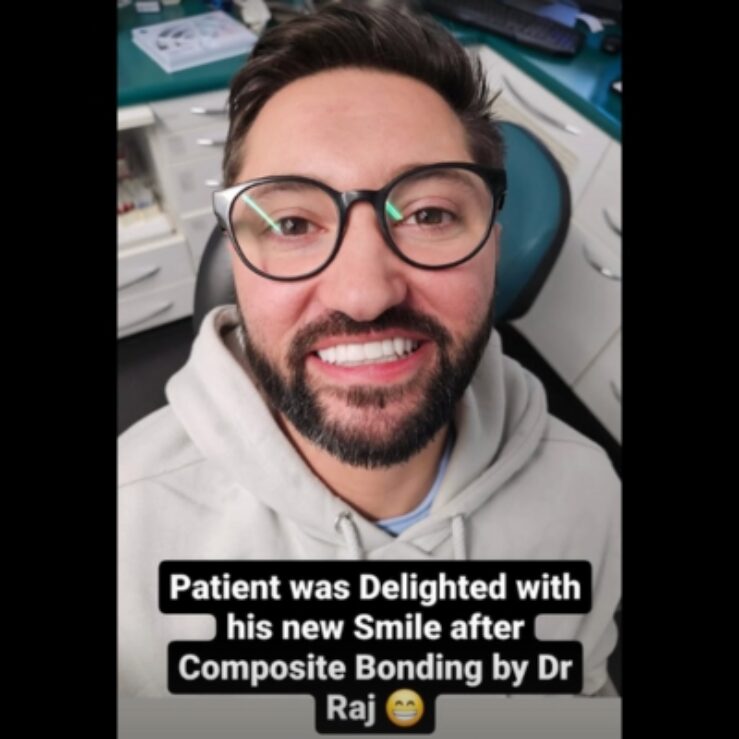
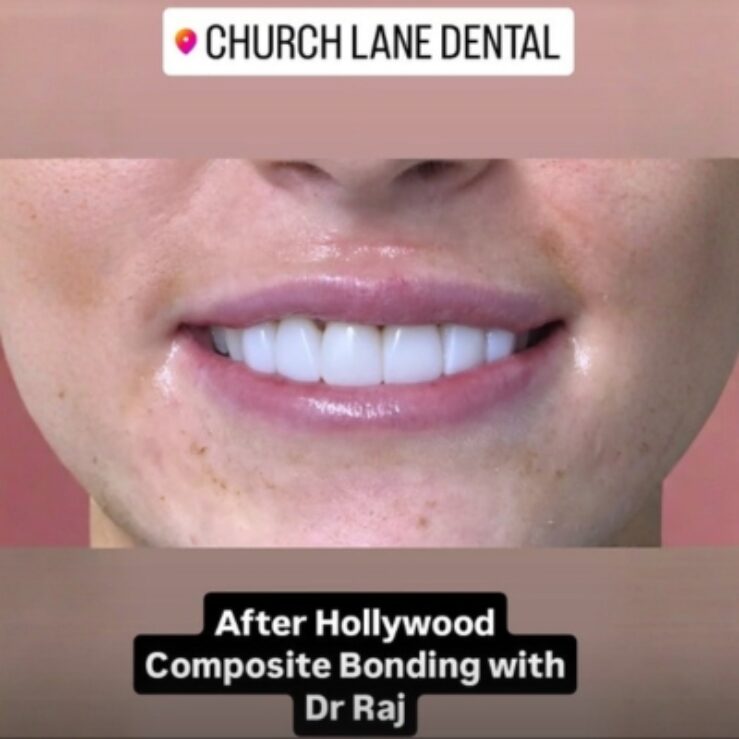
A chip is different. A small piece of enamel may break away after biting something hard, a fall or a knock to the mouth. Depending on its size and position, it may be smoothed, repaired with composite bonding or restored with a veneer or crown.
A cracked tooth involves a fracture that extends into the tooth itself. It may be visible, but many cracks are too fine to see without a dental examination. Pain on biting is a classic sign, particularly when you release your bite. Sensitivity to hot, cold or sweet foods, an intermittent ache, swelling around the gum, or a rough edge on a tooth can also point to a crack.
A cracked tooth should be checked as soon as possible, even when the pain comes and goes. Seek an urgent dental appointment if you have severe or persistent pain, facial or gum swelling, a loose piece of tooth, bleeding after an injury, a bad taste in the mouth, or difficulty biting normally.
Swelling, fever or feeling unwell can indicate infection and needs prompt professional care. If swelling affects breathing or swallowing, attend A&E immediately.
A tooth that has fractured after trauma also deserves a quick examination. The visible break may only be part of the problem. Your dentist can assess the surrounding teeth, gums and jaw, as well as the health of the tooth’s nerve.
For patients in Walsall and the wider West Midlands, Church Lane Dental offers round-the-clock emergency access, including evening, weekend and walk-in appointments. Getting the tooth assessed promptly can make the difference between protecting it with a restoration and losing it later.
Your dentist will first identify the type and extent of the crack. This usually involves checking the tooth, testing how it responds to pressure and temperature, and taking X-rays where appropriate. Because some cracks do not show clearly on an X-ray, the examination and your symptoms are just as valuable.
If a crack is limited to the outer tooth structure, composite bonding may be enough to rebuild a chipped area and create a protective seal. Where the tooth is heavily worn, visibly fractured or under strong biting forces, a crown may be the better long-term choice. A crown covers the tooth like a fitted protective cap, holding weakened parts together and reducing the chance of further fracture.
When a crack allows bacteria into the pulp – the soft tissue containing the tooth’s nerve and blood supply – the tooth may become inflamed or infected. Root canal treatment removes the damaged or infected pulp, disinfects the inside of the tooth and seals it. The tooth is then commonly protected with a crown, particularly at the back of the mouth where chewing pressure is greatest.
Root canal treatment is designed to retain your natural tooth, not remove it. With effective treatment and a well-fitting final restoration, many teeth remain comfortable and functional for a long time.
Some fractures are too deep to restore predictably. A tooth split into separate sections, or a vertical crack running into the root, may need extraction. This is never the outcome anyone wants, but removing an unsalvageable tooth can prevent recurrent infection and ongoing pain.
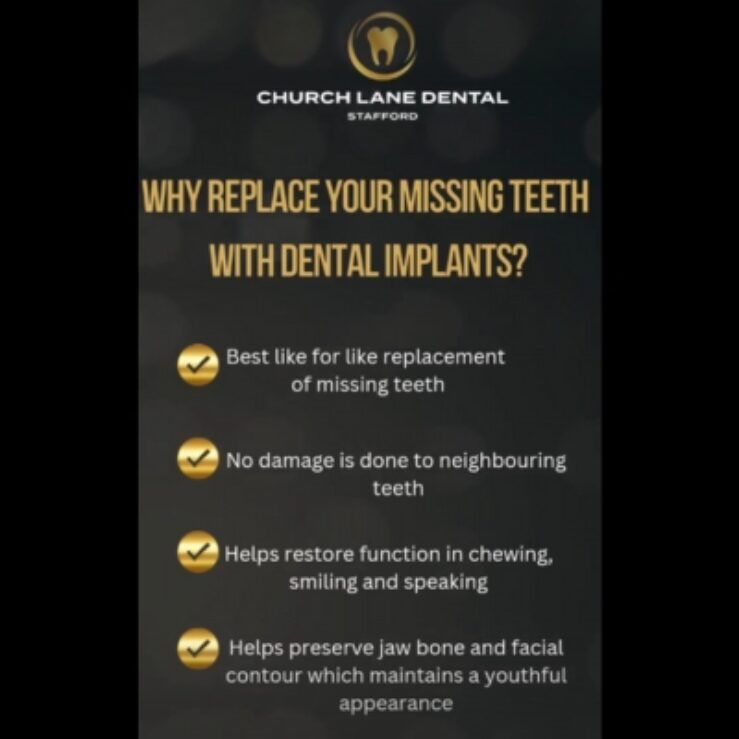
There are still excellent ways to replace it. Depending on your smile, gum health and bite, options may include a dental implant, bridge or denture. An implant can provide a fixed, natural-looking replacement without relying on neighbouring teeth, although it is not suitable for every case and requires careful planning.
Until you can see a dentist, avoid chewing on the affected side and choose softer foods. Do not test the tooth by repeatedly biting down on it – this can worsen the fracture. Avoid very hot, cold, sugary or hard foods if they trigger sensitivity.
Rinse gently with warm water and maintain your usual brushing routine, taking care around the sore area. If a piece of tooth has come away, keep it safely and bring it to your appointment. Over-the-counter pain relief may help if it is suitable for you and taken according to the packet instructions. Avoid placing aspirin directly on the gum or tooth, as it can burn the soft tissues.
If you clench or grind your teeth, tell your dentist. Grinding can contribute to cracks and can damage a new crown or restoration if the bite is not managed. A custom night guard may be recommended once the immediate problem has been treated.
You cannot reverse a crack, but you can reduce the force placed on a vulnerable tooth. Do not use your teeth to open packaging, cut thread or hold hard objects. Take care with popcorn kernels, ice, hard sweets and bones, particularly if you have large fillings, crowns or a history of tooth grinding.
Regular dental examinations are equally valuable. Dentists can spot worn fillings, bite problems and early fractures before they turn into an emergency. If you are considering cosmetic treatment, such as veneers or whitening, an underlying crack should be assessed first so that the tooth is healthy and stable before its appearance is enhanced.
A cracked tooth may be quiet for days or weeks, but that does not mean it has healed. Early advice is the most reliable way to protect your comfort, your bite and as much natural tooth structure as possible. If a tooth is painful when you bite, sensitive without a clear reason or damaged after an accident, arrange an assessment promptly – timely care can give that tooth its best chance.
Back to blog
Quickly match your needs with the right dental treatment using our simple treatment finder.
Have questions or ready to book? Reach out, and our team will guide you every step of the way.


Follow us on Instagram for real patient transformations, behind the scenes updates and the latest offers. It’s the easiest way to stay connected and inspired on your smile journey.
EXPLORE