Walsall and Birmingham's highest rated dental practice - we guarantee the best quality dental care at great prices! Full range of dental care available - we can do everything under one roof!

A front tooth that sits slightly behind its neighbour, a small twist, or uneven edges can make an otherwise healthy smile feel out of balance. So, can veneers fix crooked teeth? In some cases, yes. Carefully planned veneers can make mildly crooked teeth appear straighter, more even and better proportioned without orthodontic treatment. They are not, however, the right answer for every type of crowding or misalignment.
The best treatment is the one that protects your teeth while delivering the smile you want. That may mean veneers, Invisalign or another brace system, composite bonding, or a planned combination of treatments. A proper examination is what turns a cosmetic idea into a predictable result.
Veneers are thin, custom-made shells, usually crafted from porcelain, which are bonded to the front surfaces of teeth. By adjusting the shape, width, length and colour of the visible tooth surface, a skilled dentist can disguise small alignment issues. The tooth itself does not move. Instead, the veneer changes how it looks in relation to the teeth around it.
This can work particularly well where one or two teeth are slightly rotated, narrow, worn, unevenly shaped or mildly out of line. For example, a lateral incisor that appears tucked back may be brought visually forwards with a veneer, creating a smoother line across the smile. A veneer can also close small gaps and refine chipped or discoloured teeth at the same time.
That makes veneers an appealing option for patients who want a comprehensive cosmetic change rather than straightening alone. Porcelain is colour-stable, reflects light in a natural-looking way and can be designed to complement your facial features, lip line and preferred smile style.
Veneers do not correct the position of the roots, bite relationship or underlying jaw alignment. If teeth are significantly crowded, protruding, overlapping or rotated, making them look straight with veneers may require removing too much healthy tooth structure or creating veneers that look bulky.
They are also not a shortcut for an unstable bite. When the upper and lower teeth meet with excessive force, veneers may be at greater risk of chipping, debonding or wearing prematurely. Grinding and clenching need to be identified before cosmetic treatment, and a protective night guard may be recommended afterwards.
If gum disease, decay, leaking fillings or active tooth pain are present, these need to be addressed first. Cosmetic dentistry is most successful when it is built on a healthy foundation.
Veneers may be suitable when the misalignment is mild and your teeth and gums are healthy. They are often chosen by adults who are unhappy with several visible concerns at once, such as slight crookedness combined with stains, old bonding, small gaps or worn edges.
A dentist will assess more than a photograph of your smile. The shape and position of each tooth, the thickness of enamel, your bite, gum levels and the way you speak and smile all influence whether veneers are appropriate. Digital scans, photographs and smile planning can help show what is realistically achievable before treatment begins.
The strongest veneer results tend to be conservative. Rather than trying to create a perfectly uniform, overly bright row of teeth, the aim is a natural smile that looks balanced and belongs to you. Some teeth may need little or no preparation, while others require a small amount of enamel to create room for the porcelain. The amount varies from case to case.
Orthodontic treatment moves the real teeth into a healthier position. This is usually the more conservative option where crowding is moderate or severe, teeth are tilted or protruding, or the bite needs correcting. Clear aligners such as Invisalign can be particularly attractive for adults who would prefer a discreet way to straighten their teeth.
While braces take longer than cosmetic veneers, they can preserve more natural enamel and improve cleaning access between crowded teeth. Moving a rotated tooth can also create the right space for a minimal veneer or small amount of bonding later, if you still want to refine shape or colour.
There is no single winner between veneers and aligners. A person with one slightly twisted, small tooth may be an excellent veneer candidate. Someone with several overlapping front teeth and a deep bite is more likely to benefit from orthodontics first. In some smile makeovers, the best result comes from combining both approaches.
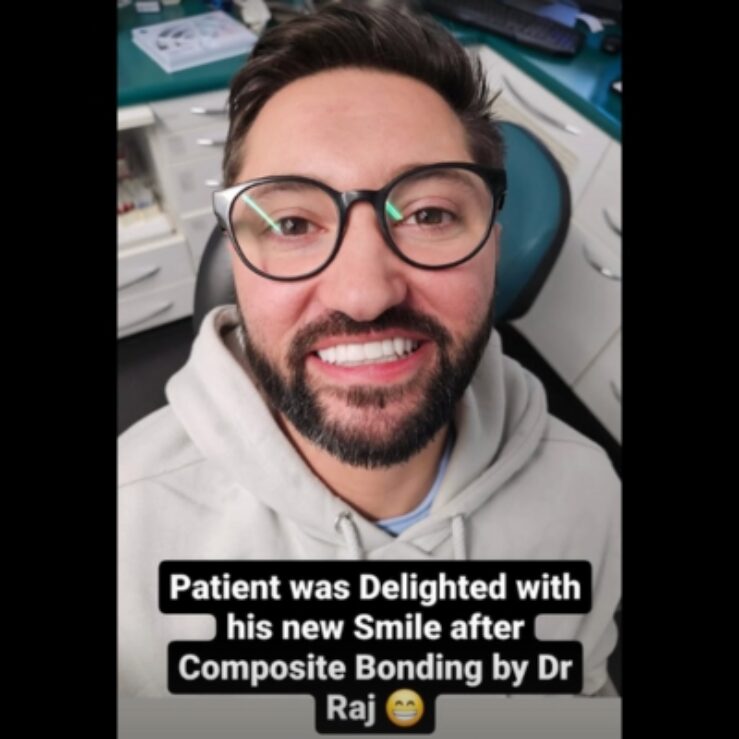
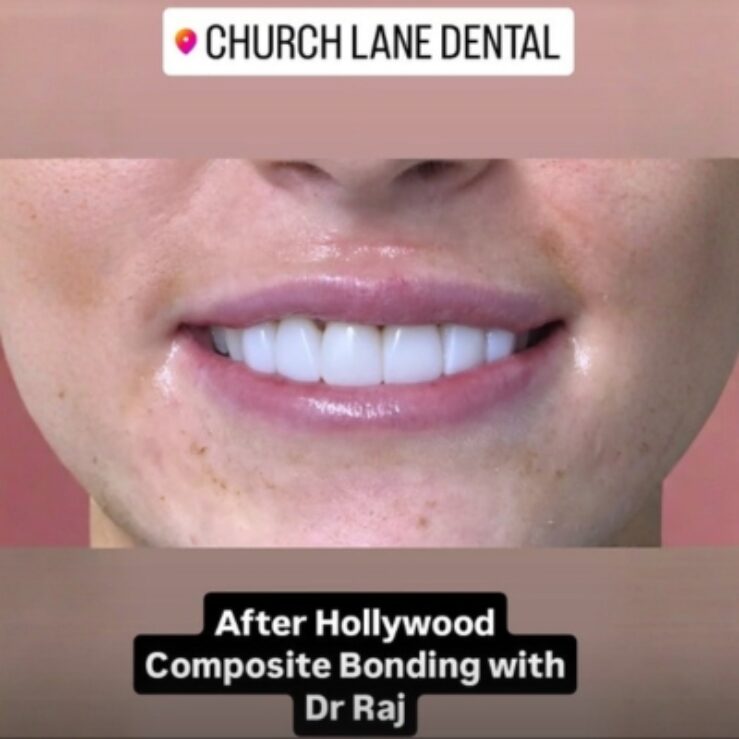
For very minor irregularities, composite bonding can sometimes improve the appearance of crooked teeth without porcelain veneers. Tooth-coloured composite is applied and shaped directly onto the tooth, often in one appointment. It can be a more affordable and less invasive option, particularly for small chips, narrow teeth or subtle gaps.
Composite does stain and wear more readily than porcelain, and it may need polishing, repair or replacement over time. It is not suitable for every alignment issue, but it deserves to be part of an honest conversation about your choices.
After a detailed consultation, your dentist will discuss your concerns, examine your mouth and confirm whether veneers are clinically appropriate. You should be able to talk openly about how white, bright or natural you want your new smile to look. If you are considering whitening, this is often completed before the final shade of the veneers is selected, as porcelain itself cannot be whitened later.
Once the design is agreed, the teeth may be gently prepared and impressions or digital scans are taken. Temporary veneers may be fitted while the final porcelain veneers are being made, depending on the amount of preparation required. At the fitting appointment, the dentist checks the fit, shape, colour and bite before permanently bonding each veneer into place.
A well-planned case should never feel rushed. Ask to see how the proposed shape works with your smile, and make sure you understand which teeth are being treated and why. Your dentist should also explain the limitations, alternatives and likely maintenance before you commit.
Porcelain veneers are durable, but they are not indestructible. Good daily brushing with fluoride toothpaste, cleaning between teeth and regular hygiene visits protect the gums and natural tooth structure around them. Veneers cannot decay, but the tooth beneath and around the veneer still can.
Avoid using your teeth to open packaging, bite nails or hold objects. If you play contact sport, wear a mouthguard. If you clench or grind, a custom night guard can protect both your veneers and your natural teeth. With thoughtful planning and consistent care, veneers can remain attractive for many years, though they may eventually need replacement.
Before going ahead, ask whether the proposed treatment is additive or whether healthy enamel needs to be removed. Ask whether orthodontics could achieve the result more conservatively, whether your bite puts the veneers at risk, and what maintenance you should expect. It is also sensible to ask what happens if a veneer chips, comes loose or needs replacing in the future.
Cost matters too, but it should not be the only deciding factor. Veneers are a long-term commitment because a prepared tooth will generally need a veneer or restoration maintained over its lifetime. Choosing a plan based on sound clinical assessment rather than the fastest cosmetic fix is the best investment in your smile.
At Church Lane Dental, a smile consultation can bring cosmetic, restorative and orthodontic options into one clear plan, so you are not pushed towards a treatment that does not suit your teeth. Whether veneers are right for you or braces would offer the healthier route, the next helpful step is a considered assessment focused on your own smile goals.
Back to blog
Quickly match your needs with the right dental treatment using our simple treatment finder.
Have questions or ready to book? Reach out, and our team will guide you every step of the way.


Follow us on Instagram for real patient transformations, behind the scenes updates and the latest offers. It’s the easiest way to stay connected and inspired on your smile journey.
EXPLORE