Walsall and Birmingham's highest rated dental practice - we guarantee the best quality dental care at great prices! Full range of dental care available - we can do everything under one roof!

A dental appointment can be routine for one person and feel impossible for another. Dental anxiety is not a sign of weakness, and it is far more common than many people realise. It can affect people who have had a difficult experience in the past, those who dislike the feeling of being out of control, and people who are simply worried about pain, needles, cost or bad news.
The problem is that postponing treatment can turn a small concern into a painful emergency. A sensitive tooth may become a root canal problem. Bleeding gums may progress without hygiene care. A loose filling can become a fracture. The good news is that modern dentistry offers far more ways to keep you comfortable, informed and in control than it did even a few years ago.
Dental anxiety does not always look the same. Some patients feel unsettled for days before an appointment and struggle to sleep the night before. Others only feel anxious in the waiting room, when they hear clinical sounds, or once they sit in the dental chair.
You may notice a racing heartbeat, tense muscles, nausea, sweating or a strong urge to cancel. Some people avoid booking altogether until toothache becomes unbearable. If this sounds familiar, you are not alone, and you do not need to wait until the pain is severe to ask for help.
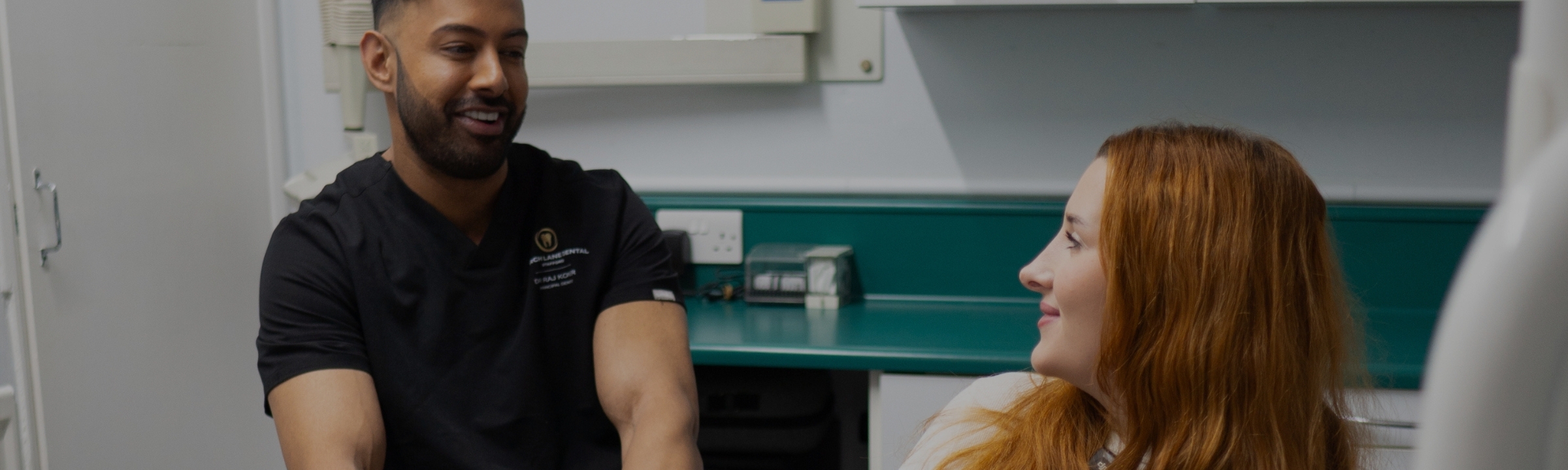
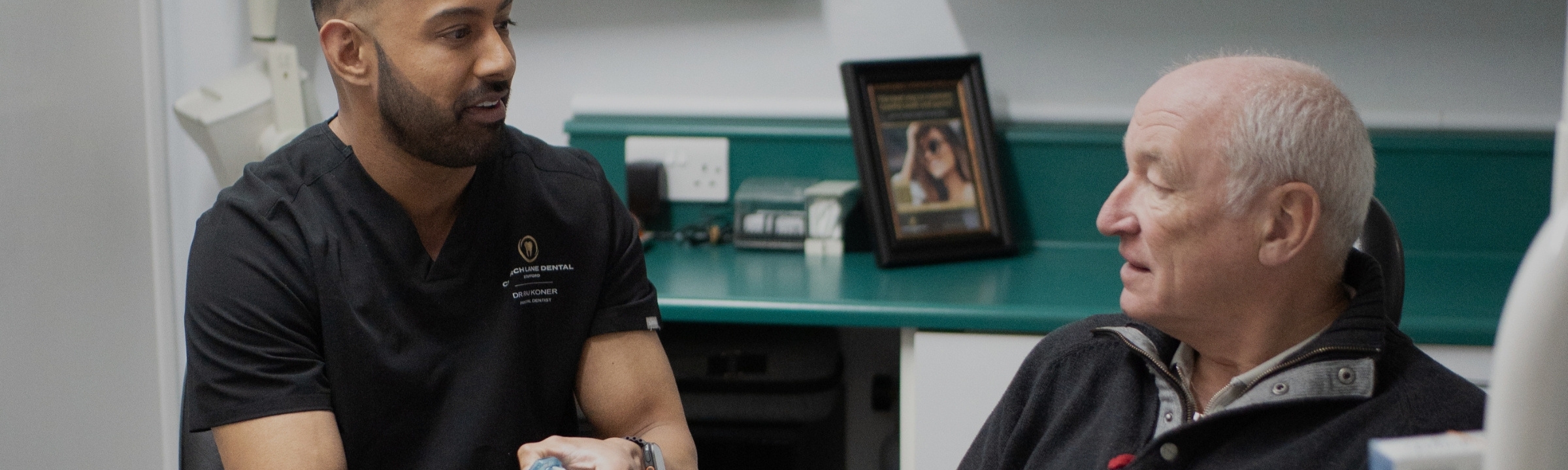
The first step is to be honest about how you feel. Telling the dental team that you are nervous gives them the opportunity to adapt the appointment around you. That could mean allowing more time, explaining each stage clearly, taking regular breaks, or discussing suitable comfort and sedation options.
There is no benefit in forcing yourself through an appointment while feeling overwhelmed. Excellent dental care is not only about the result – whether that is a healthy mouth, relief from pain, a repaired tooth or a brighter smile. It is also about how you experience the treatment.
For some patients, a calm conversation and a gentle examination are enough to rebuild trust. For others, the anxiety is linked to a particular trigger. They may be comfortable with a check-up but fearful of injections, drilling, extractions or the sensation of not being able to speak while treatment is taking place.
A good clinician will not make assumptions. They should ask what worries you most, explain what can be done to reduce that worry, and agree a plan at a pace that feels manageable. It depends on your treatment needs, medical history and previous experiences. The right approach for a hygienist appointment may be different from the right approach for dental implants, a root canal or wisdom tooth removal.
You do not have to wait until you are in the chair to mention anxiety. When you book, let the team know that you are a nervous patient and explain whether there is a specific concern. Perhaps you need an early appointment so you do not spend all day worrying, or an evening slot that fits around work and family life. Maybe you have urgent pain and need to know you can be seen quickly.
Sharing this information in advance allows the appointment to be planned with care. It can also remove uncertainty around costs, timings and what will happen first. For many nervous patients, knowing the plan is half the battle.
One simple but powerful tool is a stop signal. Before treatment begins, agree that raising your hand means you need the clinician to pause. You may never need to use it, but knowing you can stop at any point restores a sense of control.
You should also feel able to ask questions. Ask what you may feel, how long a stage will take, and what the alternatives are. Clear answers are reassuring. They also help you make informed decisions rather than feeling that treatment is happening to you.
If you have avoided dentistry for years, do not assume your first visit has to involve treatment. A consultation, examination and discussion can be a valuable first appointment. You can meet the team, see the environment, explain your goals and find out what is actually needed.
Starting small is not delaying care for the sake of it. It is often the most effective route to getting care completed. Once you have had a positive experience, the next step usually feels less daunting. If treatment is urgent, the priority will be to get you comfortable and out of pain, then make a clear plan for any further work.
Simple techniques can make a genuine difference, particularly for mild to moderate anxiety. Eat a light meal beforehand unless you have been given instructions not to, arrive with enough time that you are not rushing, and wear comfortable clothing. Slow breathing can settle the physical response to stress: breathe in gently through your nose, then breathe out for a little longer.
Some people prefer quiet conversation and a full explanation of every step. Others would rather not hear clinical detail. Neither preference is wrong. Let the team know which style helps you feel calmer.
Fear of pain is one of the biggest reasons people avoid the dentist. Yet many procedures can be completed comfortably with effective local anaesthetic. Before treatment starts, your clinician should check that you are numb and comfortable. If you feel anything sharp or uncomfortable, say so straight away. You are not being difficult – you are helping the team care for you properly.
For patients who are especially worried about injections, numbing gel may be used before the local anaesthetic. The injection itself can be administered slowly and carefully. Techniques and equipment have improved greatly, but the most important factor is a clinician who listens and does not rush.
It is also worth separating pressure from pain. During some treatments, such as an extraction or filling, you may feel pressure or vibration while the tooth is being treated. That can feel unfamiliar, but it should not be painful. Knowing the difference beforehand can prevent normal sensations from becoming alarming.
Sedation can be a helpful option for patients with significant dental anxiety, a strong gag reflex, difficulty sitting through treatment, or a need for more complex care. It is not the same as being fully asleep in every case. Depending on your needs and suitability, sedation can help you feel deeply relaxed while still able to respond to the dental team.
Sedation is not necessary for everyone, and it is not a shortcut around good communication and pain control. It should follow a proper assessment of your health, medication and treatment plan. You will also need to follow the specific preparation and aftercare instructions provided, which may include arranging for a responsible adult to take you home.
For some people, sedation makes it possible to receive treatment they have put off for years. For others, a calm clinician, local anaesthetic and planned breaks are all they need. The best option is the one that lets you receive safe, appropriate care without feeling overwhelmed.
Many anxious patients worry that they will be judged for the condition of their teeth, how long it has been since their last visit, or their fear itself. Dentistry should never be about judgement. The focus should be on where you are now and what can be done next.
Whether you need urgent relief from toothache, help with gum disease, a replacement tooth, straighter teeth or simply a fresh start with routine care, there is always a first step. At Church Lane Dental, nervous patients can discuss their concerns with a team equipped to provide everything from emergency care to complex restorative and cosmetic treatment under one roof.
Pain can make fear feel much stronger, especially if it starts at night or over a weekend. Do not assume you must wait for a routine appointment if you have severe toothache, facial swelling, a broken tooth, uncontrolled bleeding or a dental injury. Prompt assessment can relieve pain, protect your health and prevent a difficult problem from becoming more complicated.
When you contact a dentist, describe your symptoms clearly and mention your anxiety. Ask what will happen at the emergency appointment and what you can do safely before you are seen. Having a clear next step is often far less frightening than trying to cope alone.
Your next appointment does not need to be perfect or fearless. It only needs to be a step forward. Tell the team what you need, take things at a manageable pace, and allow yourself the chance to discover that dental care can feel very different from what you expect.
Back to blog
Quickly match your needs with the right dental treatment using our simple treatment finder.
Have questions or ready to book? Reach out, and our team will guide you every step of the way.


Follow us on Instagram for real patient transformations, behind the scenes updates and the latest offers. It’s the easiest way to stay connected and inspired on your smile journey.
EXPLORE