Walsall and Birmingham's highest rated dental practice - we guarantee the best quality dental care at great prices! Full range of dental care available - we can do everything under one roof!

A missing tooth can change more than the way your smile looks. It can make chewing awkward, affect speech, allow neighbouring teeth to drift and leave you self-conscious in photographs or conversations. When comparing a dental bridge vs implant, the right answer is rarely just about price. It is about your oral health, bone support, timeline, long-term priorities and how you want your new tooth to feel.
Both treatments can restore a gap beautifully. The key is choosing the option that protects your wider smile and suits your circumstances, rather than settling for a one-size-fits-all solution.
A dental bridge replaces a missing tooth by attaching an artificial tooth, known as a pontic, to the teeth on either side of the gap. Usually, the supporting teeth are shaped and fitted with crowns, with the replacement tooth sitting between them. In some cases, a resin-bonded bridge may be attached more conservatively to the back of an adjacent tooth.
A dental implant replaces the root as well as the visible tooth. A small titanium implant is placed in the jawbone, where it integrates with the bone over time. Once stable, it supports a custom-made crown designed to match the shape, shade and character of your natural teeth.
Put simply, a bridge relies on nearby teeth for support. An implant is supported by your jawbone. That distinction influences almost every part of the decision, from treatment time to maintenance and long-term stability.
A bridge can be an excellent, reliable solution when it is planned carefully. It is often chosen when a patient wants to replace a tooth without surgery, has a time-sensitive event ahead, or is not currently suitable for implant placement.
Treatment is generally quicker than an implant because there is no healing period for an implant to integrate with the jawbone. Once the supporting teeth have been prepared and impressions or digital scans have been taken, the final bridge can often be fitted within a matter of weeks. A temporary restoration can protect the area while your bespoke bridge is being made.
A bridge can also make particular sense if the teeth on either side of the gap already need crowns due to large fillings, fractures or previous treatment. In that situation, using those teeth as bridge supports may be a practical way to restore the space and strengthen the surrounding teeth at the same time.
However, a conventional bridge requires healthy adjacent teeth to be reshaped, even if they have not previously needed treatment. This is the main compromise. Bridges also do not replace the tooth root, so they cannot prevent the gradual bone shrinkage that can occur beneath a missing tooth.
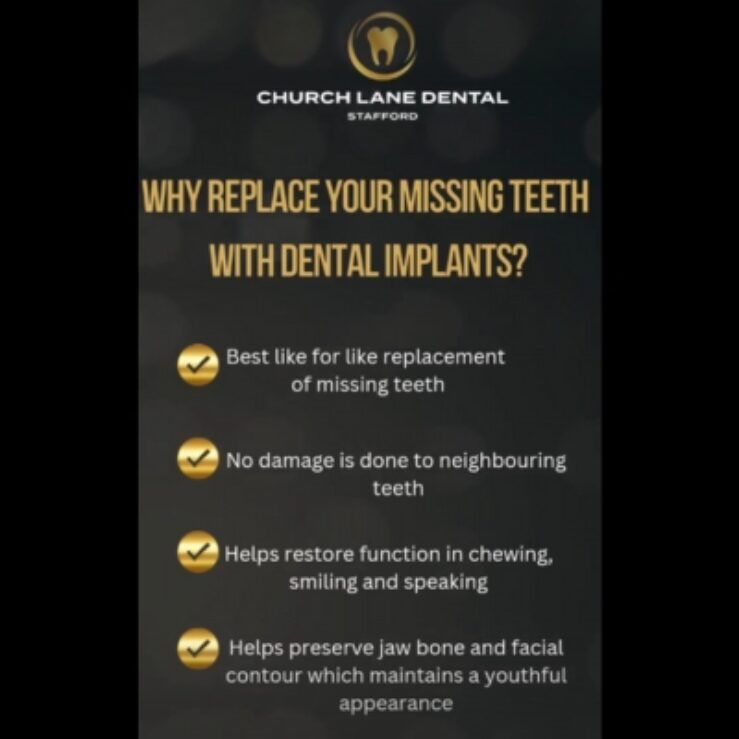
For many patients, an implant is the closest available replacement for a natural tooth. Because it sits independently in the jaw, it does not require neighbouring teeth to be cut down or used for support. This preserves healthy tooth structure and can make future dental planning simpler.
The implant also stimulates the jawbone when you bite and chew. That helps reduce the bone loss that naturally follows tooth loss. Preserving bone is especially valuable in visible areas of the smile, where loss of support can gradually affect the gum line and facial profile.
An implant-supported crown is fixed in place, so it feels secure for eating, speaking and smiling. With good daily cleaning, regular hygiene appointments and routine dental reviews, implants can be a durable long-term option. The crown may eventually need repair or replacement through normal wear, but the implant itself is designed to provide lasting support.
The trade-off is time and planning. Implant treatment involves a minor surgical procedure and a healing phase, commonly several months, before the final crown is fitted. Some patients may need bone grafting first if the missing tooth has been absent for a long time or there is insufficient bone volume. This is not a reason to rule implants out, but it does need to be factored into your timeline and budget.
Sometimes, yes. If a tooth needs removing and the surrounding bone and gum condition are suitable, an implant may be placed at the same appointment or soon afterwards. This can reduce the total number of stages and may help preserve the shape of the gum.
It is not appropriate in every case. Active infection, bone loss, gum disease, the position of the tooth and bite forces all matter. A thorough assessment, including digital imaging and often a 3D scan, allows your dentist to recommend the safest route to a predictable result.
Both options should look natural when designed well. Modern ceramics can be colour-matched to surrounding teeth, while the shape and translucency are tailored to your smile. The quality of planning and laboratory work matters as much as the treatment type.
An implant crown is cleaned much like a natural tooth: brush twice daily, clean between teeth and attend professional hygiene visits. A bridge also needs excellent cleaning, but the area beneath the false tooth requires extra attention. You may need an interdental brush, floss threader or water flosser to clean under the pontic and around the supporting crowns.
Neither option should cause ongoing discomfort once treatment is complete. You may experience temporary tenderness after implant placement or tooth preparation for a bridge, but this is managed with appropriate aftercare. If a bridge feels loose, food repeatedly catches, or an implant area becomes sore or bleeds, arrange a review promptly rather than waiting for the problem to worsen.
A bridge often has a lower upfront cost than a single implant, particularly where there is no need to treat additional teeth. An implant can involve more appointments, advanced diagnostics, surgical placement and a final crown, which increases the initial investment.
Looking only at the starting fee can be misleading. A bridge may need replacement over time, and if one supporting tooth develops a problem, the entire restoration can be affected. An implant can cost more initially but may offer a more independent, conservative solution over the long term.
The most useful question is not which treatment is cheapest today. It is which treatment is likely to offer the best outcome for your health, confidence and future dental needs. A clear treatment plan should explain the stages, expected maintenance, risks, alternatives and full costs before you decide. Finance options may also help you spread the cost of suitable planned treatment.
Most adults can be considered for implant treatment, including many people who assume they have been told no in the past. Age alone is not usually the deciding factor. What matters is your general health, gum health, bone levels, smoking status, medications and ability to keep the implant area clean.
Uncontrolled gum disease needs treatment before an implant is placed. Heavy smoking can reduce healing success, while certain medical conditions and medications may require closer planning with your dentist or medical team. If bone is limited, grafting or alternative implant techniques may still make treatment possible.
For nervous patients, fear of the procedure should not stop the conversation. Implant treatment is planned in controlled stages, with local anaesthetic and options that can make care more comfortable. A good consultation should give you space to ask questions and understand exactly what will happen at each visit.
If you need a quick, fixed replacement and the neighbouring teeth already require crowns, a bridge may be the sensible choice. If you want to preserve adjacent healthy teeth, protect jawbone where possible and invest in an independent long-term replacement, an implant may be the stronger option.
There are also situations where a bridge is the best interim solution while you heal after an extraction or prepare for implant treatment later. Dentistry should never be about pushing one treatment because it is fashionable or familiar. It should be about building the right plan around your mouth, your goals and your life.
At Church Lane Dental, our team can assess a missing tooth, discuss bridge and implant options under one roof, and create a clear plan for restoring your smile. If the gap is causing pain, affecting your confidence or making everyday eating difficult, booking an assessment is a positive first step towards feeling comfortable again.
Back to blog
Quickly match your needs with the right dental treatment using our simple treatment finder.
Have questions or ready to book? Reach out, and our team will guide you every step of the way.


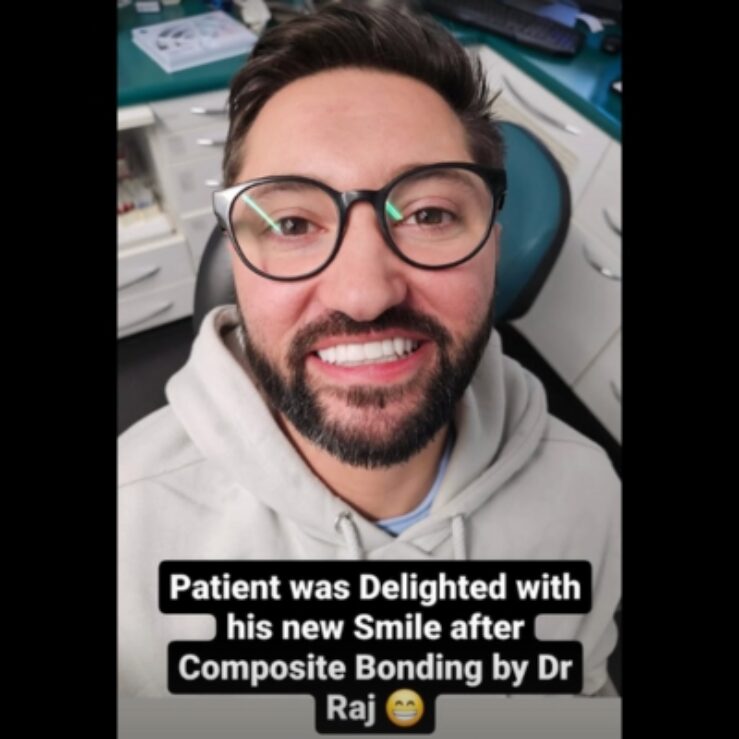
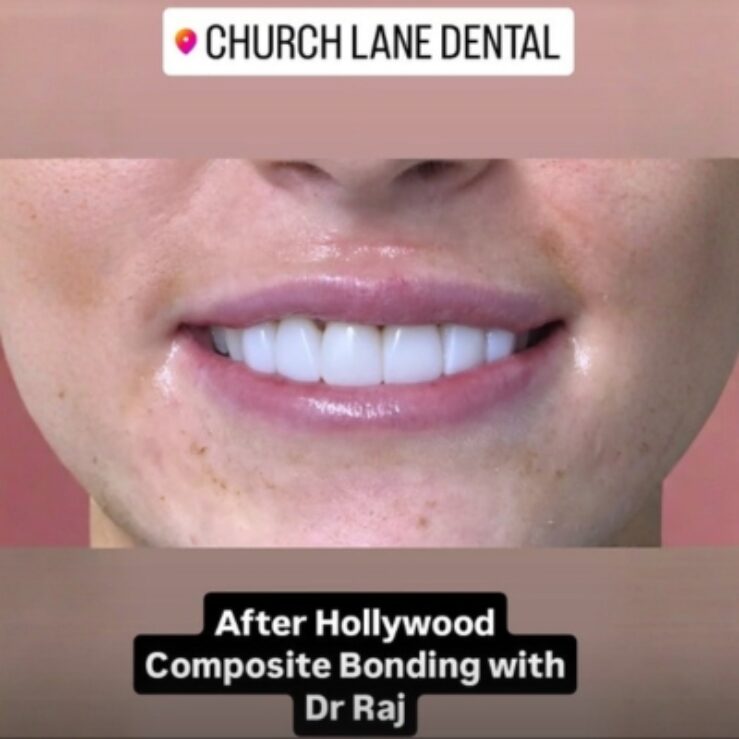
Follow us on Instagram for real patient transformations, behind the scenes updates and the latest offers. It’s the easiest way to stay connected and inspired on your smile journey.
EXPLORE