Walsall and Birmingham's highest rated dental practice - we guarantee the best quality dental care at great prices! Full range of dental care available - we can do everything under one roof!

A fall on the pavement, a collision during sport or an unexpected bite on something hard can change your smile in seconds. Dental trauma recovery starts with the decisions made immediately afterwards: controlling bleeding, protecting the tooth and getting the right clinical assessment without delay. Even when pain settles quickly, a damaged tooth can have hidden cracks, nerve injury or movement that needs prompt attention.
At Church Lane Dental, urgent care is available around the clock, including evenings and weekends, so you do not have to wait for a routine appointment when a dental injury needs attention. The aim is simple: relieve pain, save as much natural tooth structure as possible and create a clear plan to restore your smile.
Any tooth that has been knocked out, pushed out of position, loosened, cracked or broken should be treated as urgent. The same applies to a deep cut to the lips, tongue or gums, swelling after an impact, severe toothache following a blow, or a broken filling, crown or veneer causing sharp edges and pain.
A tooth may look intact yet still be injured. Trauma can affect the pulp – the living tissue inside the tooth – or the ligament that holds the tooth in the jaw. Symptoms may appear later as sensitivity, a tooth turning darker, discomfort when biting or a small swelling on the gum. That is why an examination and, where appropriate, digital X-rays are valuable even after a seemingly minor knock.
Call 999 or attend A&E if there has been loss of consciousness, vomiting, confusion, suspected jaw fracture, difficulty breathing or swallowing, or bleeding that will not stop. Once those wider injuries are under control, a dentist can assess the teeth, gums and bite.
The right first aid depends on the injury, but speed matters in every case. Rinse your mouth gently with cool water and use clean gauze or a clean cloth with light pressure to control bleeding. A cold compress held against the outside of the face can help limit swelling and discomfort.
If a permanent adult tooth has been knocked out completely, handle it by the crown – the visible white part – rather than the root. If it is dirty, rinse it very briefly in milk or saline. Do not scrub it, use soap or wrap it in tissue. If you can confidently place it back into its socket, gently bite on clean gauze to hold it there. If not, keep it moist in milk or saline and bring it with you immediately. The sooner a knocked-out tooth is managed, the better the chance of saving it.
Do not try to reinsert a baby tooth. This can harm the developing adult tooth underneath. Keep the child comfortable, seek urgent dental advice and bring any fragments you can find.
For a chipped or broken tooth, save any pieces if possible. Cover a sharp edge with dental wax or sugar-free chewing gum only as a temporary measure, avoid biting on that side and choose soft, cool foods. Over-the-counter pain relief may help if it is safe for you to take it, but do not place aspirin directly on the gum or tooth.
The first appointment focuses on diagnosis and stabilisation. Your dentist will check whether teeth have moved, assess the gum and bone around them, test the response of the nerve and take images where needed. Treatment is tailored to the injury, your age, the tooth involved and how quickly you have been seen.
A small chip may be rebuilt beautifully with composite bonding in one visit. This tooth-coloured material can restore the edge, shape and natural appearance of the tooth with minimal removal of healthy enamel. Larger breaks may need a crown once the tooth has been stabilised, especially where a substantial portion is missing or biting forces are high.
A loose or displaced tooth may be gently repositioned and held with a discreet flexible splint while the surrounding tissues heal. The splint is usually temporary. Follow-up visits are essential because the tooth’s nerve can react differently over the following weeks and months.
When the pulp has been permanently damaged, root canal treatment can remove infection from inside the tooth and preserve the natural root. This is often the difference between keeping a traumatised tooth and losing it. If a tooth cannot be saved, an extraction may be the safest route, followed by a carefully planned replacement such as a bridge, denture or dental implant.
Front-tooth injuries are understandably upsetting. You may be concerned about speaking, smiling at work or being photographed, as well as the immediate pain. Once the urgent phase is under control, there are several ways to rebuild a natural-looking smile.
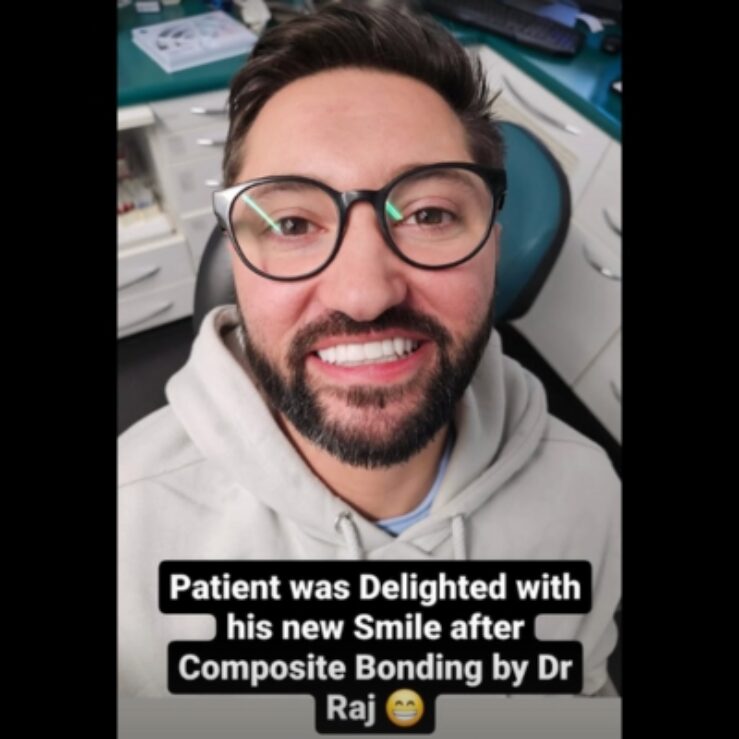
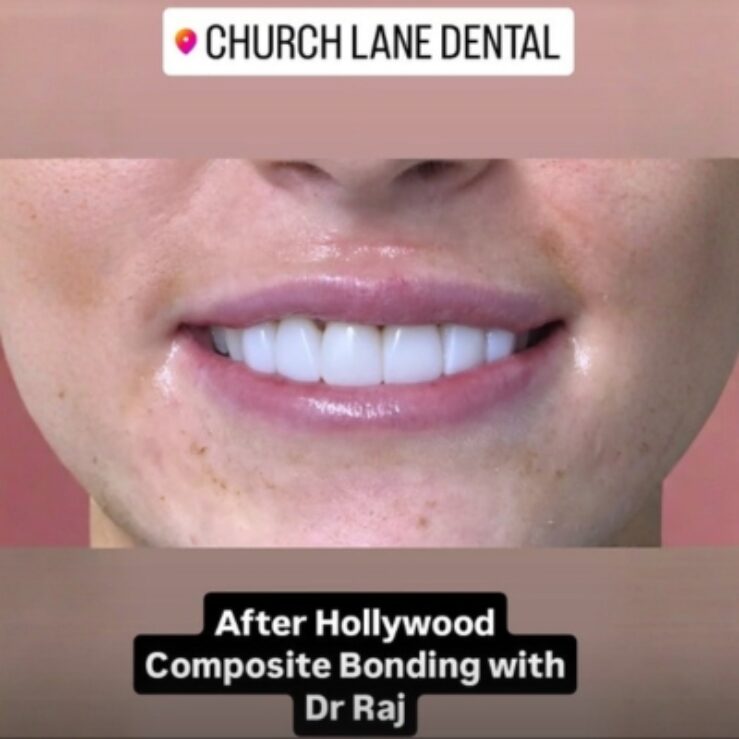
Composite bonding is often an excellent option for modest chips, uneven edges and small gaps. It is conservative, colour-matched and can usually be adjusted or repaired. Veneers may be considered where there is more extensive cosmetic change to address, but they are not automatically the right answer after trauma. A dentist will first make sure the tooth is stable and healthy enough for elective cosmetic work.
Crowns can provide strength and coverage after a significant fracture or root canal treatment. Where a missing front tooth needs replacing, an implant can offer permanent stability and a highly natural result once the gum and bone have healed. The timing matters: immediate replacement is suitable in some cases, while others need a period of healing and temporary tooth replacement first.
This is where having emergency, restorative, implant and cosmetic care available under one roof makes a real difference. Your recovery should not feel fragmented. It should move from urgent pain relief to a clear long-term plan built around your bite, facial appearance and smile goals.
For the first few days after dental trauma, keep food soft and avoid biting with the injured tooth. Soup, yoghurt, scrambled eggs, pasta and soft fish are often easier than crusty bread, nuts or hard sweets. Avoid contact sport until your dentist says it is safe, particularly if a tooth has been splinted.
Keep the area clean with gentle brushing using a soft toothbrush. Your dentist may advise a particular mouthwash or cleaning routine if there are stitches, a splint or gum injuries. Take any prescribed medicine exactly as directed and attend every review appointment, even if you feel completely well.
Watch for increasing pain, swelling, a pimple-like spot on the gum, a changed bite, persistent looseness or a tooth becoming grey or darker. These are not reasons to panic, but they are reasons to contact your dentist promptly. Trauma can have delayed effects, and early treatment generally gives more options.
If your injury happened during football, rugby, boxing, hockey or another contact sport, a professionally made mouthguard is a sensible investment. It is designed to fit closely, stay in place and cushion the teeth and jaw far better than a generic guard. Children and adults both benefit, particularly during orthodontic treatment when brackets and wires can make a facial impact more uncomfortable.
For people who grind their teeth, a custom night guard may also reduce the risk of further fractures. It will not prevent an accident, but it can protect teeth that have already been restored and reduce damaging bite pressure while you sleep.
A dental accident is never convenient, but it does not have to define your smile. Act quickly, keep any tooth or fragment safe, and arrange urgent assessment. With the right care at the right time, dental trauma recovery can protect comfort, function and the confidence to smile again.
Back to blog
Quickly match your needs with the right dental treatment using our simple treatment finder.
Have questions or ready to book? Reach out, and our team will guide you every step of the way.


Follow us on Instagram for real patient transformations, behind the scenes updates and the latest offers. It’s the easiest way to stay connected and inspired on your smile journey.
EXPLORE