Walsall and Birmingham's highest rated dental practice - we guarantee the best quality dental care at great prices! Full range of dental care available - we can do everything under one roof!

A loose denture can change far more than the way you eat. It can make meals feel stressful, affect confidence in conversation and leave you avoiding photographs. When patients ask about fixed removable dentures, they are usually looking for one thing: teeth that look natural, feel secure and suit their day-to-day life.
The phrase can be confusing because dentures are not simply fixed or removable. Modern implant dentistry offers several ways to replace a full arch of missing teeth, from a high-quality conventional denture to an implant-retained option that clicks in and out, or a full fixed bridge that only a dentist can remove. The right choice depends on your bone health, priorities, budget and the level of stability you want.
Strictly speaking, a denture cannot be both fixed and removable in the same way. The term is commonly used to describe implant-retained dentures: replacement teeth that are held firmly in place by dental implants but can be removed by the patient for cleaning.
A small number of titanium implants are placed into the jawbone. Once they have healed and integrated with the bone, they support attachments on the denture. Depending on the system, the denture may clip, snap or locate onto these attachments. It should feel substantially more stable than a conventional denture, while still being easy to take out at night or when you need to clean it.
A fixed full-arch bridge is different. It is secured to implants with screws or dental cement and remains in place all the time. You clean around it in your mouth using a special brush, floss or water cleaner, and your dentist removes it for maintenance appointments when needed.
Both options can restore a smile, but they suit different needs. A conventional removable denture rests on the gums and is held in place by its shape, suction in the upper jaw, and sometimes adhesive. It is usually the most accessible way to replace many missing teeth and can be made to look highly natural. However, it can move during eating or speaking, particularly in the lower jaw where there is less surface area for suction.
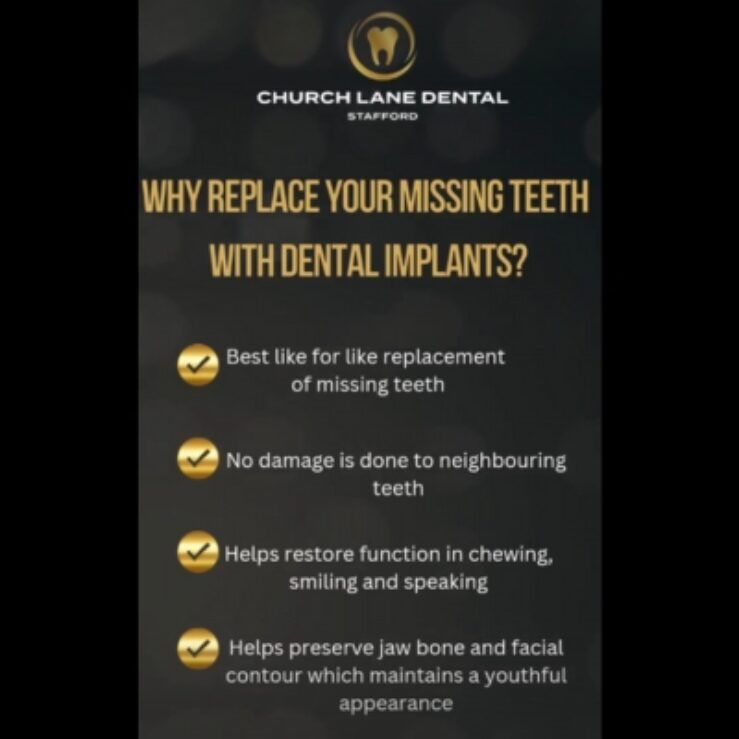
An implant-retained removable denture offers a major improvement in security. The implants reduce movement, help distribute biting pressure and often allow you to enjoy a broader range of foods. It can also be slimmer than a traditional upper denture because it may not need to cover as much of the palate. Many people find that this makes food taste better and speech feel more natural.
A fixed implant bridge provides the closest experience to having firm natural teeth. It cannot shift or be removed at home, and it is often the preferred route for patients who want maximum confidence at meals, work and social occasions. The trade-off is that it usually requires more implants, more planning and a higher investment. It also demands excellent cleaning habits and regular professional maintenance.
Implant-retained dentures can be an excellent option if you already wear dentures that rub, lift or feel unreliable. They can also be suitable when several teeth are failing and a full denture has been recommended.
They are particularly helpful for lower dentures. Lower dentures can be difficult to stabilise because the tongue, cheeks and reduced jawbone volume are constantly working against them. Even two well-positioned implants can make a meaningful difference to stability for suitable patients.
That said, implants are not automatically the best solution for everyone. Your clinician will assess the health of your gums, the quantity and quality of jawbone, your medical history and any medicines you take. Smoking, uncontrolled diabetes, active gum disease and teeth grinding do not always rule out treatment, but they can affect healing, long-term success and the treatment plan. Some patients need gum treatment, extractions or bone grafting before implants can be considered.
A safe result begins with detailed planning, not just placing implants quickly. Your consultation should include a discussion about what is troubling you now, whether that is pain, loose teeth, an old denture or a smile you no longer recognise. Photographs, digital scans and X-rays help your dentist assess the jaw, bite and available bone.
If teeth need removing, there are several possible routes. In selected cases, implants and temporary teeth may be placed on the same day. In other cases, allowing the gums and bone to heal first is the wiser approach. Neither route is universally better. A staged plan can provide greater predictability where there is infection, significant bone loss or complex bite concerns.
After implant placement, healing commonly takes several months while the implants bond with the jawbone. You should not be left without teeth during this time. A temporary denture or temporary bridge can usually be planned, with adjustments made as the gums settle. Once healing is complete, the final denture or bridge is made to match your facial features, bite, speech and chosen tooth shade.
At Church Lane Dental, treatment can be planned under one roof, from emergency extractions and stabilising care through to implant rehabilitation and long-term maintenance. This matters when your existing teeth are painful or failing: immediate relief and a considered replacement plan should work together.
Costs vary because no two mouths, implant systems or treatment plans are identical. The number of implants, whether you need extractions or bone grafting, the materials used for your final teeth and the level of temporary support all influence the fee.
A conventional denture generally costs less upfront than implant treatment. An implant-retained denture sits in the middle ground: it involves implant surgery and precision attachments but usually fewer implants than a fully fixed bridge. A fixed full-arch bridge is normally the greater investment, reflecting the number of implants, laboratory work and planning required.
The most useful question is not simply, “What is the cheapest option?” It is, “What will give me a comfortable, maintainable result for the years ahead?” A denture that repeatedly needs relining, adhesive or replacement may be less satisfying than a more stable option. Equally, a removable implant denture can be an outstanding long-term choice when a fixed bridge is not clinically necessary or does not suit your budget. Ask for a written treatment plan that explains what is included, likely maintenance and available finance options.
Implants cannot decay, but the gums and bone around them can become inflamed if plaque is allowed to build up. This is why cleaning is as important as the procedure itself.
A removable implant-retained denture should be taken out daily. Clean the denture and gently brush around each implant attachment with the products recommended by your dental team. Do not use very hot water, as this can distort denture material. Your dentist may advise removing it overnight so the gums can rest, although individual instructions can vary.
A fixed bridge stays in place, so cleaning underneath it is essential. You may need an interdental brush, super floss, a water flosser or a combination of these. Regular hygiene visits allow your clinician to check the gums, implants, bite and components. Small attachment parts can wear over time, particularly with removable systems, but replacing them is usually straightforward.
Before choosing between a removable implant denture and a fixed bridge, ask how many implants are recommended and why. Find out whether you may need bone grafting, what temporary teeth you will wear, how long healing is expected to take and how you will clean the final restoration.
It is also sensible to ask what happens if an implant does not integrate, how repairs are managed and what ongoing reviews are needed. A good treatment plan makes room for these practical realities rather than promising a one-size-fits-all answer.
The best replacement teeth are the ones that let you eat, speak and smile without constantly thinking about them. Whether that means a carefully made denture, a secure implant-retained option or a fixed bridge, start with a clinical assessment and choose the solution that feels right for your health, lifestyle and future confidence.
Back to blog
Quickly match your needs with the right dental treatment using our simple treatment finder.
Have questions or ready to book? Reach out, and our team will guide you every step of the way.


Follow us on Instagram for real patient transformations, behind the scenes updates and the latest offers. It’s the easiest way to stay connected and inspired on your smile journey.
EXPLORE