Walsall and Birmingham's highest rated dental practice - we guarantee the best quality dental care at great prices! Full range of dental care available - we can do everything under one roof!

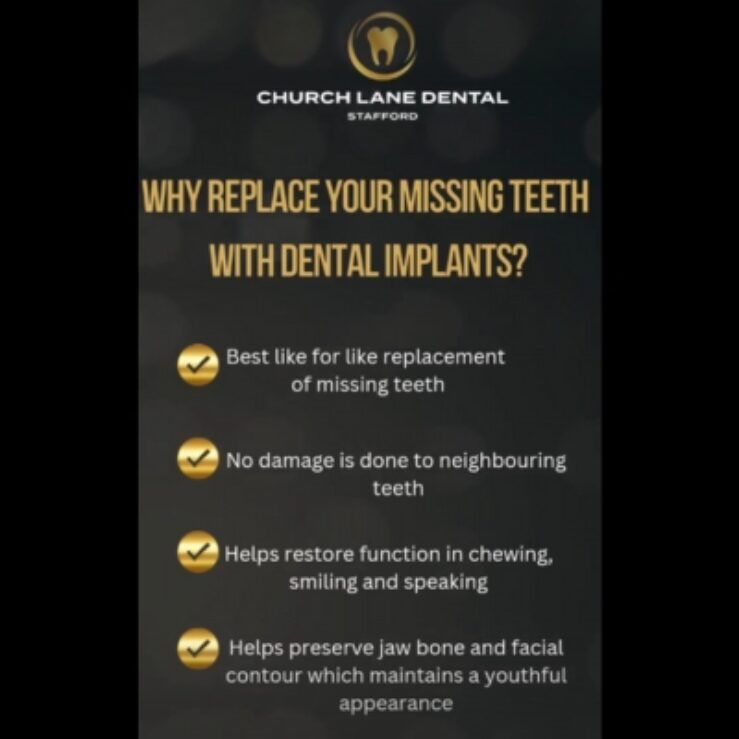
A dental implant is not simply a replacement tooth. It is a long-term restoration involving your jawbone, bite, gum health and the appearance of your smile. That is why taking time to choose an implant dentist carefully can make a real difference to your comfort, confidence and final result.
For patients in Walsall, Birmingham and across the West Midlands, the best choice is rarely about finding the quickest quote. It is about finding a clinician and practice that can plan the treatment properly, explain the options clearly and support you before, during and after your implant journey.
Dental implants are a highly established way to replace one missing tooth, several teeth or a full arch. However, no two mouths are the same. Bone levels, gum condition, the position of nearby teeth, bite forces and medical history all affect what is possible and how treatment should be approached.
Ask who will be responsible for your assessment, surgical placement and final crown, bridge or denture. Some practices refer different stages elsewhere. There is nothing inherently wrong with referral, particularly for highly complex cases, but it can mean more appointments, less continuity and a more fragmented experience.
A practice with a multidisciplinary team and a broad range of restorative services can often manage the whole process in one place. This matters if you need preparatory treatment, such as gum care, an extraction, a bone graft, a temporary tooth or adjustments to neighbouring teeth. It also gives you a clear point of contact if you have concerns at any stage.
Experience should be paired with openness. A trustworthy clinician will not promise that every patient is suitable for immediate implants or same-day teeth before assessing the clinical evidence. In some cases, waiting for healing produces the safer, more predictable result. The right recommendation is the one that protects your long-term oral health, not the one that sounds fastest.
A proper implant consultation should feel thorough. Your dentist needs to understand what has happened to the tooth, how long it has been missing, whether you grind your teeth, how your gums are doing and what you want from the finished smile.
Modern imaging can play an essential role. A 3D scan allows the clinical team to assess bone volume and identify important structures, including nerves and sinuses, before surgery. This supports accurate implant positioning and helps the dentist plan whether additional procedures may be needed.
Your assessment should also cover the visible result. Replacing a front tooth requires especially careful consideration of gum contours, tooth shape, colour and the way your lip sits when you smile. Replacing a back tooth may place greater emphasis on bite strength and access for cleaning. A good implant plan balances function and natural beauty rather than treating the implant as an isolated screw in the jaw.
Be wary of a treatment plan that appears before a full examination and appropriate imaging. An initial guide price can be useful, but a fixed recommendation without a proper assessment may leave important questions unanswered.
You do not need dental knowledge to ask sensible questions. Ask how your treatment will be planned, whether you need a 3D scan, what restoration will sit on the implant and what alternatives are available. You should also ask what happens if bone or gum treatment is needed, how long healing is likely to take and who to contact outside normal hours if you are worried after surgery.
Clear answers are a sign of confident, patient-centred care. You should leave understanding the proposed stages, not feeling pressured to decide immediately.
An implant treatment is usually delivered in stages. First, the mouth must be healthy enough to support it. That might mean treating gum disease, removing a failing tooth or allowing an extraction site to heal. The implant is then placed, followed by a period in which it integrates with the bone. Finally, the bespoke crown, bridge or denture is fitted and adjusted.
The exact timeline depends on your individual case. Some patients can receive a temporary tooth quickly, while others benefit from a more cautious approach. If you have had a tooth removed because of infection, for example, your dentist may recommend a period of healing. If you are replacing several teeth, planning may involve temporary teeth so you are not left without a smile during treatment.
When you choose an implant dentist, ask how they handle each of these stages. Can the practice provide emergency care if discomfort, swelling or a temporary restoration problem arises? Can it manage hygiene appointments, gum treatment and repairs in-house? For busy patients, evening, weekend and responsive appointments can be as valuable as the implant procedure itself.
Church Lane Dental provides a wide range of restorative, emergency and cosmetic care under one roof, helping patients avoid unnecessary journeys between separate providers while their treatment is underway.
Implant fees can vary because treatment plans vary. A low starting price may cover only the surgical implant, not the final crown, scan, extraction, temporary tooth, sedation, bone grafting or review appointments. Equally, you may not need every possible element. The point is to receive a written plan that makes the inclusions and potential additional costs easy to understand.
Ask whether the quote includes the implant, abutment and final restoration. The abutment is the connecting piece between the implant and the visible tooth, and it is an essential part of many implant restorations. Also ask about scans, laboratory work, temporary teeth, follow-up visits and the likely cost of any additional grafting or gum procedures.
Finance options can make planned care more manageable, but they should support a decision you already feel comfortable with, not rush you into treatment. A reputable practice will discuss payment clearly and give you space to weigh the clinical recommendation against your budget.
The cheapest option is not always the best value if it leads to compromises in planning, materials, aftercare or aesthetics. On the other hand, the most expensive quote is not automatically the right one either. Look for clarity, clinical reasoning and a plan built around your needs.
Dental implants cannot decay, but the gums and bone around them still need looking after. Plaque can cause inflammation around an implant, and untreated inflammation can threaten its long-term stability. Daily cleaning, regular hygiene visits and professional monitoring are part of protecting your investment.
Your dentist should explain how to clean around your specific restoration. A single implant crown is cleaned differently from an implant bridge or implant-retained denture. You may be advised to use interdental brushes, floss designed for bridgework or another aid suited to the spaces around your teeth.
Aftercare also includes practical support. Ask what reviews are included, how the practice deals with a chipped crown or loose temporary, and whether urgent appointments are available if you need help. A prompt response can turn a worrying issue into a straightforward adjustment.
If you smoke, have diabetes, clench or grind your teeth, or have a history of gum disease, be honest from the outset. These factors do not always rule out implant treatment, but they can affect risk, healing and maintenance. Your dentist may recommend smoking cessation support, gum stabilisation, a protective night guard or more frequent reviews to improve the outlook.
For nervous patients, the quality of communication can be just as significant as clinical technology. Implant treatment may sound daunting, particularly if you have avoided the dentist for years or have had a difficult extraction in the past. You deserve a team that listens without judgement and explains every stage in plain English.
Ask about options that can make care more comfortable, including local anaesthetic techniques, sedation where appropriate and support for dental anxiety. Comfort does not mean cutting corners. It means taking the time to create a calm, controlled experience while maintaining high clinical standards.
The right practice will also be realistic. It will explain benefits and risks, discuss alternatives such as bridges or dentures where appropriate, and give you time to make an informed choice. You should feel looked after, never sold to.
A well-planned implant can restore far more than a gap in your smile. Choose a team that sees the full picture – your health, your confidence, your timetable and the result you want to enjoy for years to come.
Back to blog
Quickly match your needs with the right dental treatment using our simple treatment finder.
Have questions or ready to book? Reach out, and our team will guide you every step of the way.


Follow us on Instagram for real patient transformations, behind the scenes updates and the latest offers. It’s the easiest way to stay connected and inspired on your smile journey.
EXPLORE