Walsall and Birmingham's highest rated dental practice - we guarantee the best quality dental care at great prices! Full range of dental care available - we can do everything under one roof!

A tooth that only hurts with cold drinks. Gums that bleed when you brush. A filling that feels slightly sharp. These can be easy to put off when life is busy, but oral health rarely stands still. Small changes in your mouth can become more uncomfortable, more complex and more costly to treat when they are ignored. Acting early protects more than your teeth – it protects your comfort, confidence and ability to enjoy everyday life without thinking twice about your smile.
Good oral health is not simply having white, straight teeth. It means being able to eat, speak and smile comfortably, with teeth and gums that are stable, clean and free from ongoing pain or infection. It also means noticing when something changes and having a dental team you can contact without waiting for a problem to become an emergency.
Healthy gums are a major part of the picture. They should look pink or naturally pigmented, fit firmly around the teeth and not bleed regularly during brushing or flossing. Bleeding is often a sign of gum inflammation caused by plaque build-up. It is not a normal result of brushing too well, and it deserves attention.
Your mouth can also show signs of wider health and lifestyle patterns. Dry mouth, acid erosion, jaw tension and repeated ulcers can have several causes, from medicines and stress to diet and medical conditions. A thorough dental assessment looks beyond the obvious tooth problem to identify what may be driving it.
Most dental disease begins with a build-up of plaque – a soft bacterial film that forms continuously on teeth and around the gumline. The goal is not perfection for one week before an appointment. It is consistent, effective cleaning over months and years.
Brush twice a day for two minutes using fluoride toothpaste. The last brush of the day matters especially because saliva flow reduces while you sleep, leaving your teeth with less natural protection. Spit out excess toothpaste after brushing, but avoid rinsing straight away. Rinsing washes away fluoride that should stay on the teeth and continue its protective work.
Cleaning between your teeth is equally important. A toothbrush cannot properly reach the tight surfaces where teeth meet. Interdental brushes are often highly effective where there is enough space, while floss may suit tighter contacts. The right option depends on your teeth, gum condition and any crowns, bridges or orthodontic appliances you have. A hygienist can show you a technique that is realistic for your routine rather than handing you generic advice.
Your diet matters, but the timing of sugar and acid matters too. Frequent snacking, sipping fizzy drinks or slowly drinking sweetened coffee can keep the mouth in repeated acid attacks. It is generally kinder to teeth to keep sugary foods and drinks to mealtimes, choose water between meals and avoid brushing immediately after acidic food or drink. Waiting around an hour gives enamel time to recover.
Dental problems do not always announce themselves with pain. Tooth decay can progress quietly, and gum disease can affect the supporting bone around teeth before a person notices looseness or discomfort. Regular examinations and hygiene appointments create the opportunity to find concerns while treatment is simpler.
The right recall interval is personal. Someone with healthy teeth and low decay risk may need fewer visits than a patient with active gum disease, frequent decay, diabetes, smoking history, dry mouth or extensive restorative work. Children, orthodontic patients and people who have had previous dental issues may also benefit from closer monitoring. Your dentist should explain the reason for the interval recommended, rather than applying the same timetable to everyone.
Professional cleaning is not a replacement for home care. It is a valuable reset for areas that are difficult to clean, combined with tailored coaching to improve what happens every day at home. For people with gum disease, ongoing periodontal care can be vital for keeping inflammation under control and protecting the teeth for the long term.
A dental emergency is not always dramatic. Persistent toothache, facial swelling or a broken tooth can make it difficult to sleep, work and eat, and some infections need urgent assessment. The earlier you are seen, the greater the chance of relieving pain quickly and preserving the tooth where possible.
Seek prompt dental advice if you have:
Difficulty breathing or swallowing, swelling spreading towards the eye or neck, or severe facial swelling requires urgent medical attention. Do not wait to see whether these symptoms settle.
For less acute issues, do not dismiss recurring sensitivity, bleeding gums, a chipped edge, a lost filling or a denture that rubs. These are often easier to manage before they become painful. Church Lane Dental offers round-the-clock access for patients who need responsive care, including same-day emergency appointments, so a dental problem does not have to wait for a conventional weekday opening time.
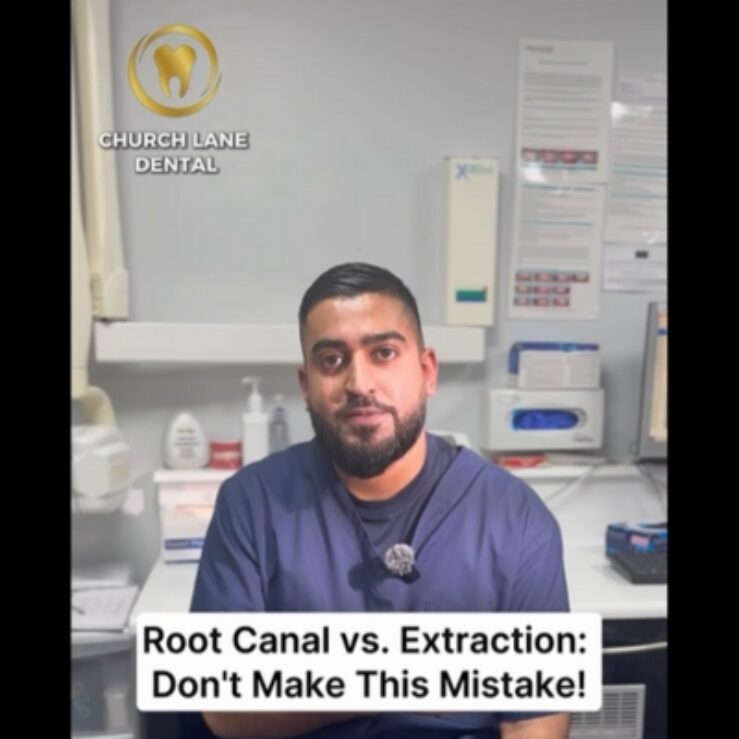
Modern dentistry is not only about removing a troublesome tooth. Where clinically appropriate, the priority is usually to preserve natural tooth structure and restore function. A small cavity may be treated with a filling; a more heavily damaged tooth may need a crown to protect it. If infection reaches the nerve, root canal treatment can often save the tooth and remove the source of pain.
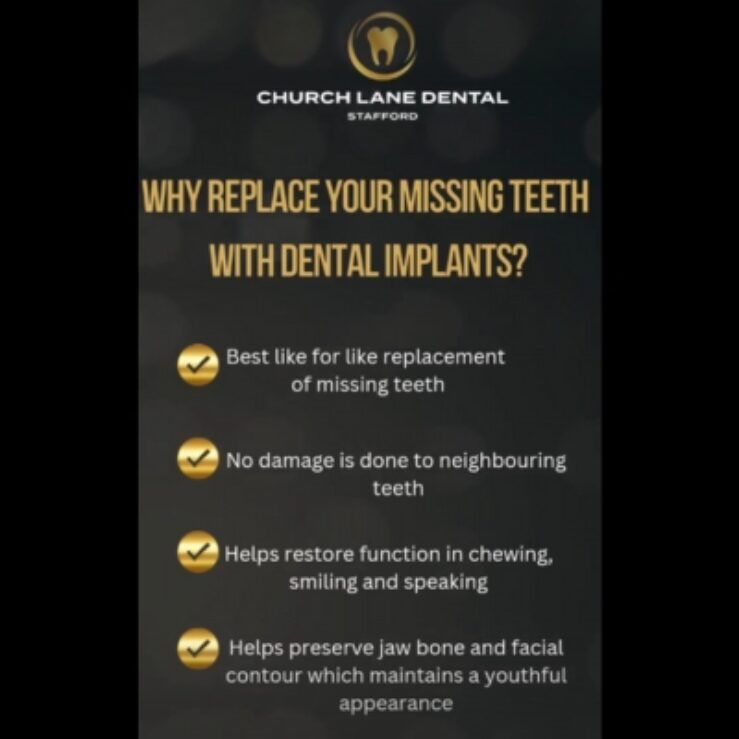
There are trade-offs in every treatment decision. A filling is more conservative than a crown, but it may not provide sufficient strength for a tooth with large cracks or substantial old restorations. An extraction can be the right choice when a tooth cannot be predictably saved, but the space may affect neighbouring teeth, chewing and appearance over time. Options such as bridges, dentures and dental implants can replace missing teeth, but suitability depends on bone levels, gum health, bite, medical history and personal priorities.
The best plan is not always the fastest-looking option. It is the one that is clinically sound, clearly explained and designed around your health, budget and long-term goals.
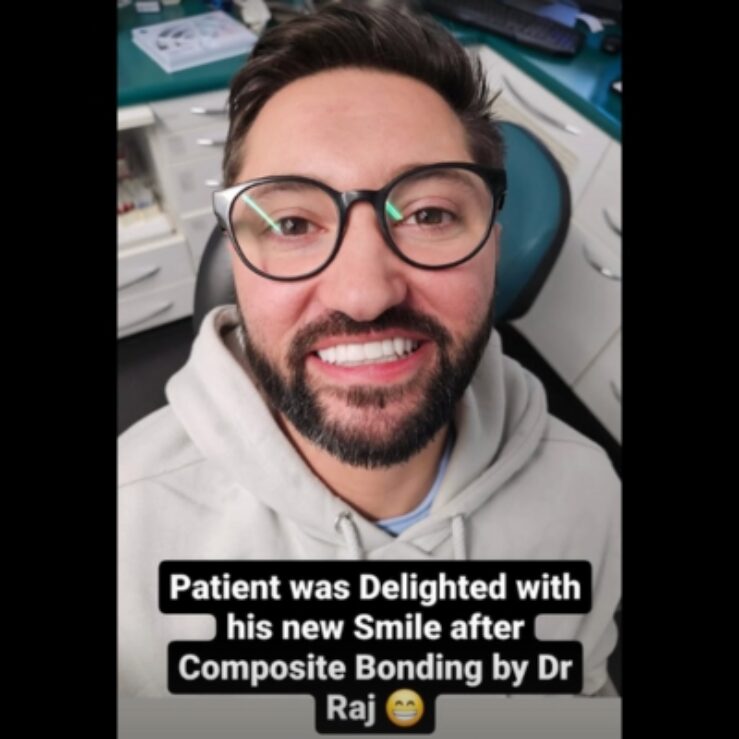
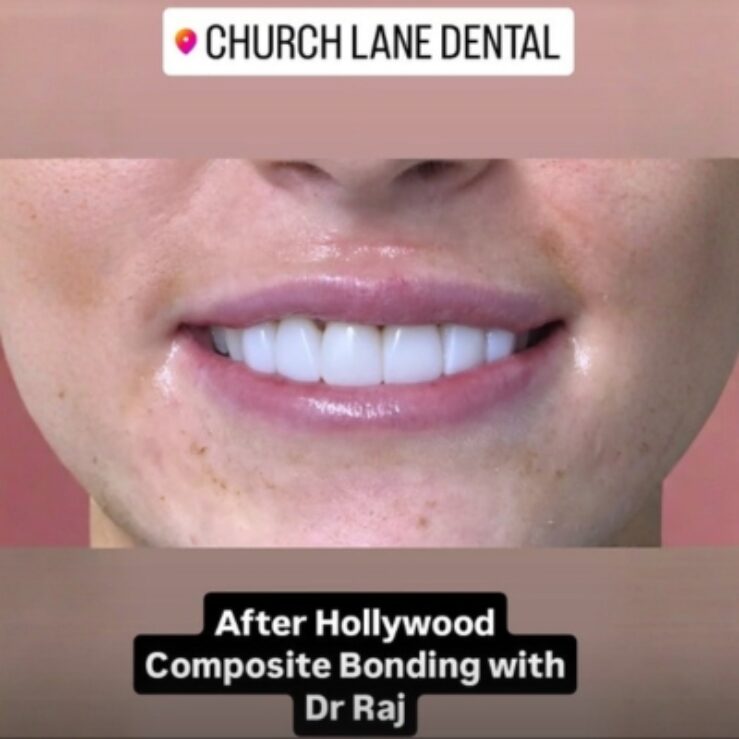
Cosmetic treatment can complement good oral health, but it should begin with a stable foundation. Whitening is most predictable when decay, gum inflammation and sensitivity have been assessed first. Composite bonding can refine worn, chipped or uneven teeth, yet it requires careful maintenance and may stain or chip over time. Veneers and crowns can create significant changes in shape and colour, but they are not interchangeable treatments and may involve different levels of tooth preparation.
Clear aligners and other braces can improve tooth position, but straight teeth still need excellent brushing and interdental cleaning. Teeth moved into a healthier bite can be easier to clean and may feel more balanced, although retention is essential after orthodontic treatment. Without retainers, teeth can shift again.
A confident smile should not mean chasing an identical shade or shape seen online. The strongest results look natural in your face, work comfortably in your bite and remain easy to maintain.
Avoidance is common, particularly after a difficult past experience or years without an appointment. There is no benefit in feeling embarrassed about the condition of your teeth. Dental teams see anxious patients, broken teeth and long-delayed concerns every day, and the first step can simply be a conversation about what feels difficult.
Tell the practice if you are nervous when booking. You may prefer a longer appointment, a clear explanation before anything begins, agreed stop signals or discussion of sedation options where suitable. Feeling in control changes the experience for many people. The aim is not to force yourself through treatment, but to make care manageable enough that you can keep returning.
Your mouth deserves attention before it starts demanding it. Book advice when a change first appears, keep the basics consistent at home and choose care that fits your life. A comfortable, healthy smile is built through those ordinary decisions – one brush, one appointment and one early conversation at a time.
Back to blog
Quickly match your needs with the right dental treatment using our simple treatment finder.
Have questions or ready to book? Reach out, and our team will guide you every step of the way.


Follow us on Instagram for real patient transformations, behind the scenes updates and the latest offers. It’s the easiest way to stay connected and inspired on your smile journey.
EXPLORE