Walsall and Birmingham's highest rated dental practice - we guarantee the best quality dental care at great prices! Full range of dental care available - we can do everything under one roof!

A brighter, more even smile can change how you feel in photographs, meetings and everyday conversation. But when patients ask about porcelain versus composite veneers, the right answer is rarely a simple matter of choosing the most expensive option. The best treatment depends on what you would like to change, the condition of your teeth, your bite and how much long-term maintenance feels realistic for you.
Veneers are thin coverings placed over the front surface of teeth to improve their shape, colour, position or overall balance. Both porcelain and composite can create a natural-looking smile. They simply get there in different ways, with different commitments along the way.
Porcelain veneers are individually crafted in a dental laboratory from high-quality ceramic. They are then bonded to the teeth during a later appointment. Because they are made outside the mouth, porcelain veneers can be refined in exceptional detail for translucency, texture and shape.
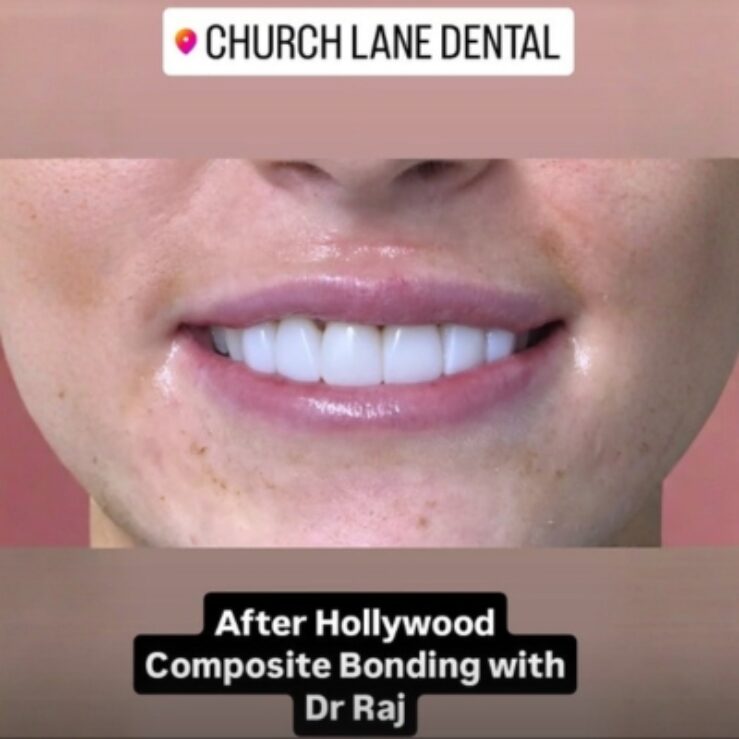
Composite veneers, sometimes called composite bonding or composite edge bonding depending on the treatment, are created directly on the teeth. Your dentist applies a tooth-coloured resin in layers, sculpts it carefully and hardens it with a curing light. In suitable cases, this can often be completed in one visit.
Neither option is automatically better. Porcelain is usually the more durable and stain-resistant choice, while composite is often the more conservative, repairable and accessible starting point. The decision should be based on a clinical examination, not just before-and-after images online.
Porcelain veneers are often chosen where a patient wants a significant, long-lasting cosmetic change. They can be particularly effective for teeth with deep internal staining that whitening cannot fully improve, uneven shapes, worn edges, small gaps or several teeth that need to look more consistent together.
The ceramic surface reflects light in a way that can closely resemble natural enamel. It is also highly resistant to staining from tea, coffee, red wine and smoking. With good daily cleaning, regular hygiene appointments and care around hard foods, porcelain veneers can remain attractive for many years.
They are often an excellent option when the goal is a highly polished, stable smile design. The planning stage matters greatly. Your dentist will consider facial proportions, lip movement, gum levels, tooth colour and the way your teeth meet before recommending a final shape and shade.
However, porcelain treatment commonly requires some enamel to be reshaped so that the veneer sits naturally rather than looking bulky. The amount removed varies between cases, and no-prep or minimal-prep options may be appropriate for a small number of patients. Once a tooth has been prepared for a veneer, it will usually need a veneer or another restoration in the future.
Porcelain veneers also cannot simply be repaired in the same way as composite if they chip. Small surface issues may sometimes be polished or managed with composite, but a damaged veneer may need replacing to restore its appearance and strength.
Composite veneers can be an appealing option for patients who want to improve their smile while preserving as much natural tooth structure as possible. In many cases, little or no drilling is needed. The resin is bonded directly to the enamel, making it a conservative treatment for small chips, worn corners, mild spacing and uneven tooth proportions.
This approach is often ideal for subtle smile improvements. A dentist can lengthen a short tooth, soften a pointed canine, close a small gap or create better symmetry without covering every tooth. Composite is also usually less costly than porcelain, especially when only a few teeth need attention.
Another practical advantage is repairability. Composite can chip or pick up stains over time, particularly if you bite nails, chew pens, grind your teeth or regularly enjoy strongly coloured food and drinks. Yet minor damage can often be repaired or polished without replacing the whole restoration.
The trade-off is that composite does not generally maintain its finish for as long as porcelain. It is more porous and can gradually lose lustre or take on staining. It may need occasional polishing, repairs or replacement, depending on your habits and bite. For some patients, that flexibility is a benefit. For others, porcelain offers the longer-term stability they prefer.
A skilled cosmetic dentist can make either material look beautifully natural. The quality of planning and craftsmanship matters at least as much as the material itself. That said, porcelain usually has the edge where light reflection, colour stability and a glass-like enamel finish are the priority.
Composite can look extremely convincing, especially for small changes and single-tooth repairs. It may be less suitable for patients seeking a major colour change across many teeth, or where there is extensive wear and a very demanding bite. These cases need careful assessment because veneer treatment alone may not address the underlying cause.
If you grind or clench your teeth, a night guard may be recommended with either treatment. This protects both your veneers and natural teeth from excessive pressure. Veneers are strong, but they are not designed to open packaging, bite fingernails or chew hard objects.
Daily care is straightforward: brush twice a day with fluoride toothpaste, clean between teeth and attend regular check-ups and hygiene visits. Avoid highly abrasive whitening toothpaste, which can dull composite and may wear the polished surface over time. Whitening treatments will not change the colour of existing veneers, so it is sensible to discuss whitening natural teeth before selecting a final veneer shade.
Composite veneers generally have a lower initial cost because they are placed directly by the dentist and do not require a laboratory-made ceramic restoration. Porcelain veneers cost more upfront due to the planning, preparation, laboratory work and appointments involved.
It is worth looking beyond the first price quoted. Composite may need more frequent maintenance, polishing or repair, while porcelain can eventually require replacement. The better value depends on your clinical needs, the number of teeth involved and how you want to manage your smile over time.
Be cautious about choosing treatment solely because it is fast or heavily discounted. A veneer should complement your face, protect your bite and respect your healthy tooth structure. If decay, gum disease, tooth movement or clenching is present, these issues should be addressed before elective cosmetic work begins.
Veneers are not always the first answer to a cosmetic concern. Professional whitening may be enough if your teeth are healthy and the main issue is discolouration. Composite bonding can improve just the teeth that need attention, rather than placing veneers across a whole smile.
Where teeth are crowded, rotated or spaced, clear aligners may create a more conservative foundation by moving your natural teeth into better positions first. Once orthodontic treatment is complete, minor bonding or whitening can provide the finishing touch. In other cases, a combination of treatments gives the most natural result.
At Church Lane Dental, a full smile assessment allows the team to look beyond a single treatment and recommend the option that supports your long-term oral health as well as your cosmetic goals.
Your consultation should involve more than selecting a shade from a chart. Ask to understand how much, if any, tooth preparation is expected; whether your bite places you at higher risk of chipping; how the final result will be planned; and what maintenance is likely in the years ahead.
A good treatment plan is personal. Someone wanting a small improvement before a wedding may be delighted with conservative composite bonding. Someone seeking a durable, refined smile transformation may feel porcelain veneers are the better investment. There is room for both choices when they are planned properly.
The most rewarding result is not the whitest or most dramatic smile in the room. It is a smile that looks like it belongs to you, feels comfortable every day and is supported by healthy teeth and gums for the future.
Back to blog
Quickly match your needs with the right dental treatment using our simple treatment finder.
Have questions or ready to book? Reach out, and our team will guide you every step of the way.


Follow us on Instagram for real patient transformations, behind the scenes updates and the latest offers. It’s the easiest way to stay connected and inspired on your smile journey.
EXPLORE