Walsall and Birmingham's highest rated dental practice - we guarantee the best quality dental care at great prices! Full range of dental care available - we can do everything under one roof!

A bridge that feels loose, hurts when you bite or suddenly comes away can make eating, speaking and smiling feel like a daily worry. Replacing failed dental bridge treatment is not simply a matter of fitting the same restoration again. The priority is to find out why it failed, protect the teeth and gums underneath, and choose a solution that gives you confidence for the long term.
If you are in pain, have swelling, bleeding, a broken tooth or a bridge that has detached, arrange an urgent dental assessment. Do not try to glue it back in place with household adhesive. This can damage the bridge, irritate your gums and make safe treatment more difficult.
A dental bridge is designed to replace one or more missing teeth by being supported by neighbouring teeth or, in some cases, dental implants. Modern bridges can look highly natural and perform very well, but they still rely on the health of the supporting structures.
Decay around the edge of a crown is one of the most common reasons a bridge fails. Bacteria can enter where the cement seal has worn down, causing a cavity in the tooth beneath. Gum disease can also reduce support around the anchor teeth, particularly where plaque has been difficult to clean beneath the replacement tooth.
Sometimes the bridge itself has cracked or become loose after years of biting forces. Teeth can shift, a supporting tooth may fracture, or an old root canal treated tooth can develop an infection. Grinding or clenching can place extra strain on both the bridge and the teeth carrying it. The visible problem may be a loose bridge, but the underlying cause determines whether it can be repaired, recemented or needs replacing altogether.
A bridge does not have to fall out completely to need attention. Sensitivity to hot or cold, pain when biting, a bad taste, food trapping beneath the bridge, bleeding gums or a dark line near a crown can all point to an issue underneath.
A loose bridge should be treated as urgent, even if it is not painful. Continued chewing can crack the supporting teeth or cause the bridge to come away at an inconvenient moment. If swelling is spreading, you have severe pain, feel unwell or have difficulty swallowing or breathing, seek urgent professional care immediately.
At Church Lane Dental, same-day emergency appointments, evening availability and round-the-clock care mean you do not have to wait days with a painful or unstable restoration. The first aim is immediate relief and a clear diagnosis, followed by a plan that suits your oral health and smile goals.
A proper assessment begins with examining the bridge, the supporting teeth and your gums. X-rays and, where appropriate, 3D imaging allow the dentist to check for hidden decay, bone loss, infection and cracks below the gumline. The bridge may need to be removed carefully so the teeth underneath can be assessed properly.
If there is decay, gum inflammation or an infection, this needs treating before a new restoration is fitted. That might involve a filling, root canal treatment, gum treatment or, occasionally, removing a tooth that can no longer be predictably restored. It can feel disappointing to hear that an old bridge cannot simply be cemented back, but treating the cause is what protects your next investment.
In some cases, a bridge that has come loose can be cleaned and recemented. This is only suitable when the bridge is undamaged, the fit remains accurate and the supporting teeth are healthy. Recementing a bridge over decay or a fractured tooth would only delay a more significant problem.
The right replacement depends on the number and position of missing teeth, the strength of the remaining teeth, your gum and bone health, bite, budget and the result you want. There is no one-size-fits-all answer.
If the supporting teeth are strong and healthy after treatment, a new bridge may be an excellent solution. It can be made from modern ceramic materials for a natural appearance, matched carefully to the shade and shape of your surrounding teeth. A conventional bridge is fixed in place, so it does not need to be removed at night.
This option can be more straightforward and quicker than implants, but it does rely on the neighbouring teeth. If those teeth have large restorations or already need crowns, this may be a sensible use of them. If they are completely healthy and untouched, you may prefer an option that does not involve preparing them.
For a single missing tooth, particularly towards the front of the mouth, an adhesive bridge may be considered. It is bonded to the back of a neighbouring tooth using a discreet wing, usually requiring little or no drilling. It is conservative and can look very natural, although it may not be the best choice for every biting pattern or for areas under heavy chewing pressure.
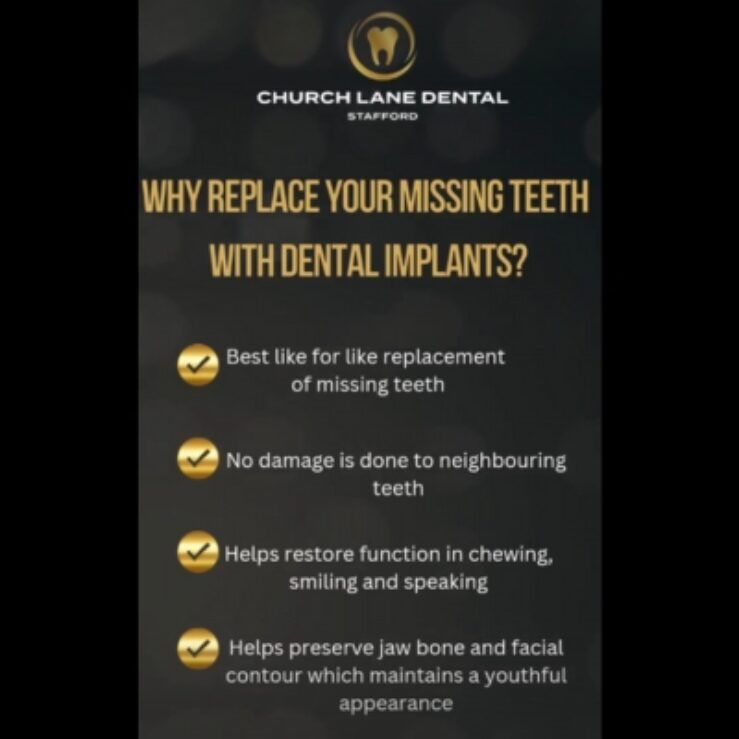
A dental implant replaces the root of a missing tooth with a small titanium post placed in the jawbone. Once healed, it supports a crown, bridge or, for several missing teeth, a larger fixed solution. Because an implant does not depend on neighbouring teeth for support, it can preserve them and provide excellent stability.
Implants are often a strong long-term choice where a bridge has failed because the supporting teeth are weak, repeatedly decayed or no longer restorable. They do require adequate bone and healthy gums, and treatment takes longer because healing is part of the process. Some patients may need bone grafting first. A detailed consultation helps establish whether implants are appropriate and what the realistic timescale will be.
A well-designed partial denture can replace several teeth without surgery and may be the most practical option in certain situations. It can also provide an immediate temporary solution while gums heal or implant treatment is planned. Modern dentures can be lighter and more natural-looking than many people expect, though they are removable and may take time to adapt to.
Where a visible front tooth is missing or a bridge has been removed, you will not necessarily be left with a gap. A temporary bridge, provisional crown, temporary denture or other short-term restoration may be used while treatment is completed. This helps you smile with confidence and protects prepared teeth.
Temporary work is not intended to cope with hard chewing in the same way as a final bridge. Follow the advice you are given, avoid biting directly into hard foods with the area and attend any review appointments. If it loosens or breaks, contact the practice rather than attempting a repair at home.
Even the most precise bridge needs daily care. Brush twice a day with fluoride toothpaste and clean under the false tooth with the interdental brushes, floss threaders or specialist bridge floss recommended for you. A water flosser can be useful for some patients, but it should support rather than replace effective mechanical cleaning.
Regular hygiene visits and dental examinations make it easier to spot early leakage, gum inflammation or bite changes before they threaten the bridge. If you clench or grind, a custom night guard may protect your restoration and natural teeth. Avoid using your teeth to open packaging, and take particular care with very hard foods if advised by your dentist.
Replacing a bridge is an opportunity to do more than fix a problem. It is a chance to improve comfort, chewing ability and the appearance of your smile with a treatment designed around your long-term needs. Costs and timescales vary because the condition beneath the bridge matters as much as the bridge itself, so a personalised examination is always the right starting point.
A failed bridge can be unsettling, especially if it happens suddenly. Prompt care can relieve discomfort, prevent further damage and give you clear choices. The best next step is simply to have it assessed before a small issue becomes a more complex one.
Back to blog
Quickly match your needs with the right dental treatment using our simple treatment finder.
Have questions or ready to book? Reach out, and our team will guide you every step of the way.


Follow us on Instagram for real patient transformations, behind the scenes updates and the latest offers. It’s the easiest way to stay connected and inspired on your smile journey.
EXPLORE