Walsall and Birmingham's highest rated dental practice - we guarantee the best quality dental care at great prices! Full range of dental care available - we can do everything under one roof!

A brighter smile can make a real difference before a wedding, holiday, job interview or simply when you are tired of hiding your teeth in photographs. But teeth whitening is not a one-size-fits-all treatment. The safest, most natural-looking results come from understanding what has changed the colour of your teeth, choosing the right option and making sure your mouth is healthy before treatment begins.
Teeth are not naturally paper-white. Healthy enamel comes in a wide range of shades, from creamy ivory to light grey-white, and the natural colour of dentine beneath the enamel also affects how teeth look.
Over time, surface staining can build up from tea, coffee, red wine, curry, tobacco and strongly coloured foods. This is often the type of discolouration that responds well to whitening. Age can also play a part, as enamel gradually becomes thinner and more of the naturally darker dentine shows through.
Some colour changes are more complex. Certain medicines, childhood trauma, a tooth that has lost vitality, old fillings, crowns and veneers may not lighten in the same way as natural enamel. That does not mean a brighter smile is out of reach, but it does mean your dentist should identify the cause before recommending treatment.
A professional assessment is not an unnecessary extra. Whitening gel can temporarily irritate sensitive teeth or gums, and it is not appropriate to place it over untreated decay, leaking fillings or active gum disease. Addressing those issues first helps protect your comfort and your long-term oral health.
Your dentist will assess your teeth and gums, discuss the shade you would like to achieve and look at any existing dental work in your smile. Crowns, bridges, veneers, composite bonding and fillings do not whiten. If they are visible when you smile, a plan may be needed to make sure the final shade looks balanced rather than mismatched.
At Church Lane Dental, whitening can be planned alongside hygiene care, composite bonding, veneers or other cosmetic treatment where needed. Having a full-service clinical team in one place means your smile plan can be considered as a whole, rather than treating whitening as an isolated purchase.
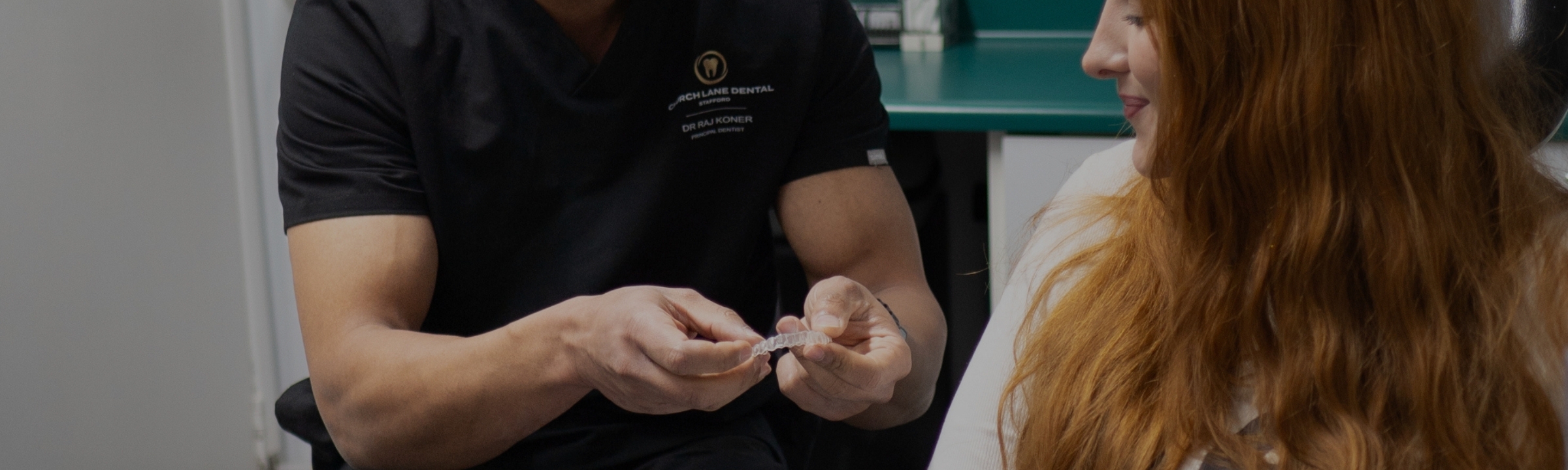
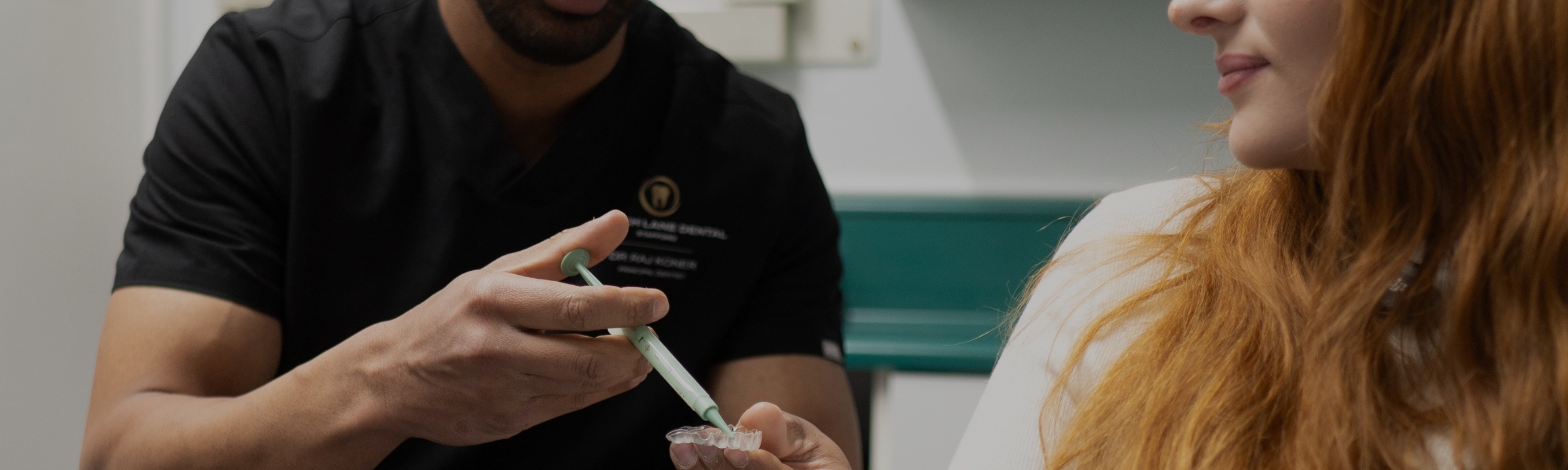
Dentist-prescribed home whitening is a popular option for patients who want to brighten their smile gradually and on their own schedule. Custom-made trays are designed to fit closely around your teeth. You place a measured amount of whitening gel in the trays and wear them as directed by your dentist.
The close fit matters. It keeps the gel where it is needed, reduces leakage onto the gums and supports more even results. Treatment commonly takes place over a number of days or weeks, depending on your starting shade, tooth sensitivity and desired outcome.
This route gives you control. If your teeth become sensitive, your dentist may advise shorter wear times, a break between applications or desensitising products. It is a considered approach that suits many busy patients across Walsall and the wider West Midlands.
In-practice whitening can be suitable when you want a visibly brighter smile sooner, perhaps before an event. Your teeth and gums are protected, and the whitening process is carried out under clinical supervision.
It can be an excellent option, but it is not automatically better than home whitening for every person. The right choice depends on your teeth, your timetable and the level of change you want. Some patients achieve their best result with a combination of supervised in-practice treatment and home top-ups.
Whitening toothpastes, strips, charcoal powders and online kits promise quick transformation. Some can lift light surface stains, particularly after tea or coffee, but they rarely create the meaningful shade change associated with professional whitening.
Abrasive pastes deserve particular caution. Used too aggressively, they may wear the surface of the teeth or make sensitivity worse. Charcoal products can be messy and are not a replacement for a clinically proven whitening system.
In the UK, tooth-whitening products containing higher levels of hydrogen peroxide can only be supplied following a dental examination and under the direction of a dental professional. This safeguard exists for good reason. Unregulated products may be weak, unreliable or unsuitable for your mouth. Buying a kit without knowing what is in it can leave you with sore gums, uneven results and no professional support if something does not feel right.
Beauty salons and unqualified providers should not carry out tooth whitening. Your smile deserves proper clinical care, not a gamble with your enamel and gums.
Temporary sensitivity is one of the most common concerns around whitening. You may notice a short, sharp reaction to cold drinks or during treatment. For most people, this settles when the whitening schedule is adjusted.
Do not push through significant discomfort in the hope of a faster result. Speak to your dental team. They can review the fit of your trays, reduce frequency, recommend sensitivity management and check whether another issue is causing the pain.
Whitening should never be used to mask toothache. Persistent pain, swelling, a cracked tooth or bleeding gums needs a dental assessment. If you need urgent advice, prompt care is available every day, including evenings and weekends, so you do not have to wait with a problem that may worsen.
There is no fixed answer because habits, diet and natural tooth colour all matter. Many patients enjoy their brighter shade for months or longer, especially when they follow sensible aftercare. Tea, coffee, red wine and smoking can gradually re-stain teeth, while regular hygiene appointments help remove the deposits that dull a smile.
For the first couple of days after treatment, it is sensible to limit richly coloured food and drinks while the teeth are more prone to picking up stains. Long term, you do not need to give up every favourite drink. Rinsing with water after coffee or red wine, using a straw for cold drinks where practical, and keeping up with brushing can make a noticeable difference.
Dentist-provided top-up gel can help maintain your result when used as advised. This is usually more predictable and safer than repeatedly trying new shop-bought products.
Whitening works on natural tooth structure. It will not change the colour of veneers, crowns, bridges, dentures or tooth-coloured fillings. If one front tooth is darker following injury or root canal treatment, it may need a different approach, such as internal whitening or restorative treatment.
Patients who are pregnant or breastfeeding are generally advised to postpone elective whitening. It may also be better to wait if you have active decay, gum inflammation, severe sensitivity or ongoing orthodontic treatment. For those wearing braces or clear aligners, timing matters, because exposed tooth surfaces can whiten differently from areas covered by attachments or brackets.
A good cosmetic result is not about pursuing the brightest shade possible. It is about choosing a shade that suits your complexion, lips, neighbouring teeth and personality. Natural-looking brightness tends to age better and feels more like your own smile.
Professional whitening is one of the most conservative ways to refresh a smile because it can improve the colour of healthy natural teeth without drilling or removing enamel. Yet the best outcome starts with an honest conversation about what is realistic for you.
Book a consultation if you are considering whitening, particularly if you have sensitivity, visible dental work or a tooth that has changed colour. With the right assessment and a tailored plan, you can pursue a brighter smile with comfort, safety and confidence – without compromising the health of the teeth behind it.
Back to blog
Quickly match your needs with the right dental treatment using our simple treatment finder.
Have questions or ready to book? Reach out, and our team will guide you every step of the way.


Follow us on Instagram for real patient transformations, behind the scenes updates and the latest offers. It’s the easiest way to stay connected and inspired on your smile journey.
EXPLORE