Walsall and Birmingham's highest rated dental practice - we guarantee the best quality dental care at great prices! Full range of dental care available - we can do everything under one roof!

That sharp, sudden jolt when you sip tea, bite into ice cream or breathe in cold air is more than an inconvenience. Sensitive teeth treatments can bring real relief, but the right answer depends on why your teeth are reacting in the first place. A sensitive tooth may be responding to worn enamel, exposed roots, a small crack, gum disease, tooth decay or an old restoration that needs attention.
The key is not simply masking discomfort for months. Persistent sensitivity deserves a proper dental assessment, particularly if the pain is getting stronger, affecting one tooth, waking you at night or making you avoid food and drink you enjoy.
Your teeth are protected by enamel above the gumline and cementum around the roots. Beneath these protective layers sits dentine, which contains tiny channels leading towards the tooth’s nerve. When enamel wears down or gums recede, temperature, sweetness, acidity and pressure can travel through those channels more easily. The result is the familiar short, sharp pain.
Brushing too hard is one possible cause, especially with a firm-bristled toothbrush or abrasive whitening toothpaste. Acid erosion is another. Frequent fizzy drinks, fruit juices, sports drinks and reflux can gradually soften enamel, making teeth more vulnerable. Teeth grinding can wear biting surfaces and place pressure on already sensitive teeth.
Gum recession is common too, particularly where gum disease has been present or brushing has been too forceful. Because root surfaces are not covered by hard enamel, they can become sensitive quickly. In other cases, sensitivity is a warning sign of a cavity, a fractured tooth, a leaking filling or infection inside the tooth. These problems need targeted treatment rather than a change of toothpaste alone.
A dentist will first look for the source of the problem. This may involve checking your gums, bite and existing fillings, taking X-rays where needed, and testing how the tooth responds. Once the cause is clear, treatment can be planned around your comfort and long-term tooth health.
For mild, generalised sensitivity, a desensitising toothpaste is often a sensible first step. Ingredients such as potassium nitrate can calm nerve response, while stannous fluoride and other fluoride compounds can help block exposed dentine channels and strengthen vulnerable enamel.
Use it twice daily and spit rather than rinsing straight afterwards, so the active ingredients stay on the teeth for longer. Some patients also benefit from applying a small smear directly to the sensitive area before bed. Relief is not always immediate – it may take two to four weeks of consistent use.
At the practice, a dentist or hygienist may recommend high-fluoride toothpaste or fluoride varnish if enamel wear or decay risk is significant. This is particularly useful for patients with dry mouth, acid erosion or repeated sensitivity around exposed roots.
If the gums are inflamed, bleed when brushing or have started to recede, professional hygiene care can make a meaningful difference. Removing hardened plaque deposits helps reduce gum inflammation and supports healthier gum attachment around the teeth.
There is a trade-off to understand. Teeth can sometimes feel temporarily more sensitive after a deep clean because deposits that were covering exposed root surfaces have been removed. This should settle, and your dental team can protect sensitive areas with fluoride or desensitising products while your gums heal. Leaving gum disease untreated, however, risks continued recession, loosened teeth and more complex treatment later.
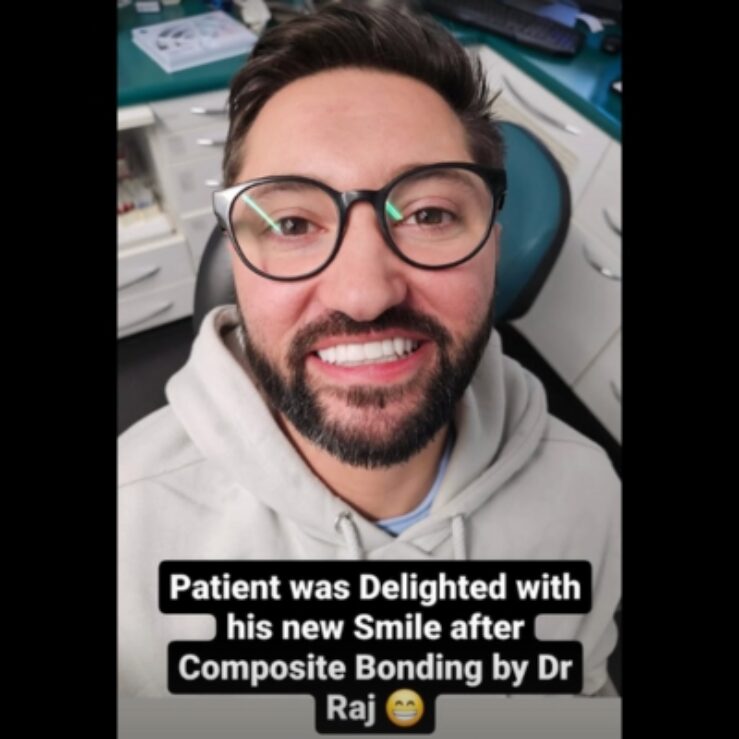
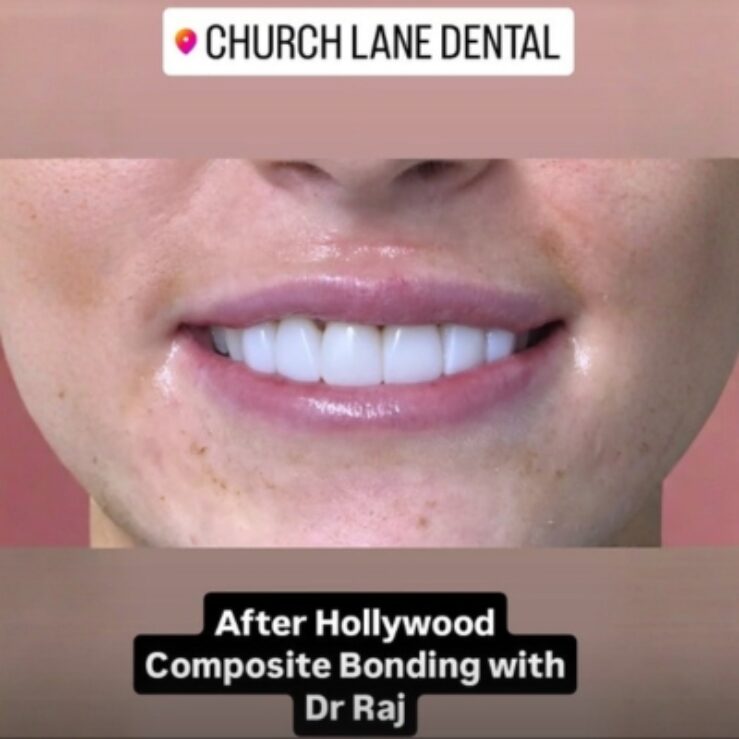
Where sensitivity comes from exposed root surfaces, worn enamel or small notches near the gumline, composite bonding or tooth-coloured fillings can cover and protect the area. This can be a quick, conservative option that restores a smoother surface and reduces the trigger reaching the dentine.
Bonding is not always permanent. It may need repair or replacement over time, particularly for patients who grind their teeth or have a very acidic diet. A custom night guard and dietary advice can help protect both your natural teeth and any restorative work.
Sensitivity focused on one tooth needs closer attention. A cavity may require a filling, while a cracked cusp, fractured filling or worn crown might need a new restoration to seal the tooth properly. If the nerve has become inflamed or infected, root canal treatment may be the best way to remove pain while retaining the natural tooth.
Root canal treatment has an unfair reputation. With modern techniques, local anaesthetic and an experienced clinical team, it is designed to make you comfortable while treating the infection at its source. After treatment, a crown may be advised for a heavily weakened back tooth, helping it withstand biting forces.
When erosion is the issue, the goal is to prevent more enamel loss as well as reduce sensitivity. Your dentist may advise limiting acidic drinks to mealtimes, using a straw for acidic beverages where appropriate, and waiting at least an hour after consuming acid before brushing. Brushing immediately can rub softened enamel away.
For grinding and clenching, a custom-made night guard can reduce the damaging forces placed on teeth while you sleep. It will not reverse existing wear, but it can slow further damage and protect restorations. If tooth shape, appearance or function has been affected, composite bonding, veneers or crowns may be considered after the underlying grinding has been managed.
A brief twinge with cold food is different from severe or lingering tooth pain. Book an urgent assessment if your symptoms suggest something more than exposed dentine. Watch for these signs:
Swelling around the face, difficulty swallowing or breathing, or rapidly worsening pain should never be ignored. Church Lane Dental offers round-the-clock emergency appointments for patients who need prompt assessment, including evenings and weekends. Acting early can often mean a simpler, more comfortable treatment.
Use a soft toothbrush with gentle, small circular movements at the gumline. You do not need to scrub for teeth to be clean. Choose a sensitivity toothpaste, avoid very hot or very cold foods for a few days, and try chewing on the opposite side if one tooth is sore.
Pain relief from a pharmacy may help if it is safe for you to take, but do not place aspirin or painkillers directly against the gum or tooth. This can burn soft tissue and does not treat the cause. Avoid temporary DIY filling kits for anything beyond a short-term emergency measure, as they can hide a problem that needs professional treatment.
If whitening has triggered sensitivity, pause treatment and speak to your dentist before restarting. Professional whitening can be tailored with lower-strength gel, shorter wear times or desensitising support. Do not assume you must choose between a brighter smile and comfort – the plan simply needs to suit your teeth.
Long-term relief usually comes from small habits maintained consistently. Keep acidic drinks and snacks less frequent, drink water after meals, use fluoride toothpaste, and attend regular dental and hygiene appointments. If you have reflux, dry mouth, diabetes, gum disease or take medicines that affect saliva flow, mention this at your visit. These factors can change the care your teeth need.
Sensitive teeth are common, but ongoing pain is not something to simply put up with. A calm, thorough assessment can identify whether you need a simple desensitising plan, protective bonding, gum care or urgent restorative treatment – so you can drink, eat and smile with confidence again.
Back to blog
Quickly match your needs with the right dental treatment using our simple treatment finder.
Have questions or ready to book? Reach out, and our team will guide you every step of the way.


Follow us on Instagram for real patient transformations, behind the scenes updates and the latest offers. It’s the easiest way to stay connected and inspired on your smile journey.
EXPLORE